Important Facts About Residential Roofing
Maintaining a home requires paying close attention to every structural element, especially the protective barrier on top. A sturdy roof shields a house from rain, snow, wind, and severe heat. When home buyers evaluate a property, the condition of the shelter directly above them plays a major role in their decision. Investing in proper residential roofing ensures that the entire house remains safe, dry, and energy-efficient throughout every season. Choosing durable materials like asphalt shingles, metal, tile, or slate directly impacts the longevity of the entire property structure.
Homeowners must realize that atmospheric exposure causes wear and tear over time. Water intrusion remains one of the most common threats to structural stability. When water penetrates beneath shingles or tiles, it can rot wooden beams, ruin insulation, and encourage mold growth inside living spaces. High-quality residential roofing acts as a defense system, keeping moisture completely out while regulating internal temperature. Proper ventilation built into the structural layout also prevents excess heat and moisture from building up inside attic spaces during hot summers.
Key Factors in Roof Longevity and Maintenance
Regular maintenance extends the lifespan of any roof by several years. Scheduling seasonal inspections helps identify cracked shingles, loose flashing, or clogged drainage channels before minor issues escalate into costly repairs. Clear signs of damage include sagging spots, indoor ceiling stains, or missing surface granules. A properly installed system of residential roofing should withstand typical weather conditions for two decades or more, depending on the materials used during initial construction.
Environmental factors like strong winds, freezing temperatures, and intense sunlight constantly wear down protective surfaces. Sunlight breaks down asphalt compounds, making materials brittle over time, while heavy rain tests sealants and gutters. Homeowners should clear debris like leaves, branches, and dirt from gutters to maintain proper drainage flow. Water backed up behind clogged gutters can seep under shingles and cause severe structural damage. By keeping surfaces clean and scheduling regular professional checks, homeowners protect their investments and ensure long-term comfort.
Energy Efficiency and Cost Savings
Modern roofing options offer significant energy-efficient benefits that lower monthly utility bills. Materials designed with reflective coatings bounce sunlight away from the house rather than absorbing heat. This reflective quality reduces attic temperatures, allowing air conditioning units to work less during peak summer months. Choosing energy-efficient residential roofing helps homeowners maintain comfortable indoor temperatures while reducing carbon footprints and lowering energy consumption across all seasons.
In addition to insulation advantages, modern installation techniques emphasize complete sealing systems. Underlayments, ice dams, and proper flashing around chimneys or vents seal vulnerable points against drafts and leaks. Over time, energy savings offset a significant portion of initial installation costs. Many insurance companies also offer reduced premiums for properties featuring weather-resistant, high-durability roofing materials, giving homeowners additional financial incentive to keep their installations in top condition.
Selecting the Right Contractor and Installation Methods
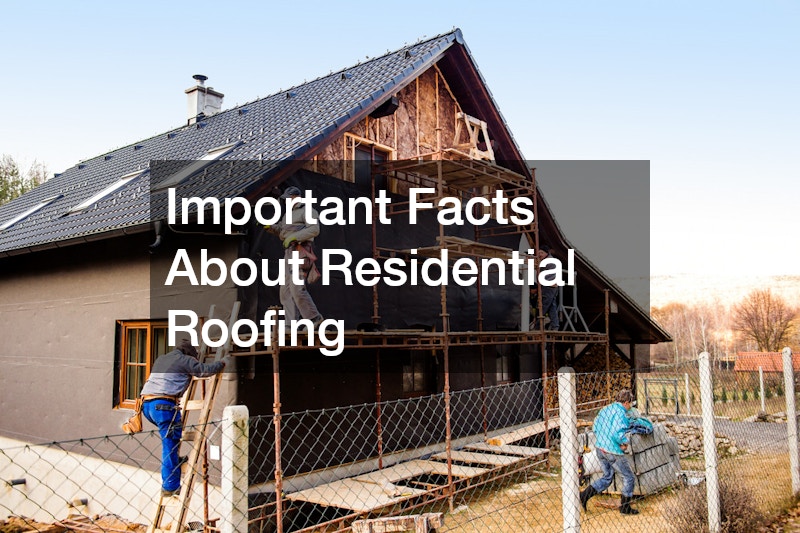
Selecting an experienced professional for installation or repairs guarantees safety, durability, and compliance with local building codes. Installing protective coverings involves dangerous elevation work, heavy equipment, and precise technical knowledge. Skilled technicians understand correct pitch angles, proper underlayment layering, and exact fastener placements necessary to keep warranties valid. Hiring certified experts for residential roofing guarantees that every component meets rigorous industry standards and safety regulations.
Before hiring a crew, homeowners should request local references, check credentials, and confirm insurance coverage. Clear written contracts outlining project timelines, material specifications, and labor warranties prevent unexpected costs. Professional contractors also manage waste disposal properly, removing old shingles and nails from the site safely. Correct installation techniques protect against wind uplift during storms and prevent water penetration, offering peace of mind for decades to come.
Increasing Property Value and Curb Appeal
A brand-new or well-maintained upper structure drastically enhances a home’s exterior appearance. The style, color, and texture of top materials set the overall tone for a house, creating strong curb appeal that attracts potential buyers. Whether choosing traditional asphalt, sleek metal panels, or classic clay tiles, upgrading residential roofing significantly raises total market valuation and helps homes stand out in competitive real estate listings.
Beyond visual appeal, potential buyers prioritize structural integrity when shopping for a home. A house with a recently installed protective structure signals that the property was well-cared for, sparing buyers from immediate renovation costs after closing. Investing in high-grade materials and professional upkeep protects living spaces, lowers utility costs, and delivers a strong return on investment over time.