Emergency Repairs That Can Wreck a Tight Household Budget
A burst pipe at midnight or a sagging roof after a storm rarely waits for a paycheck to clear. These sudden breakdowns force homeowners into fast decisions, often with limited cash and even less time to shop around. Understanding which home systems are most likely to fail, and roughly what fixing them costs, can help you plan ahead instead of panicking later. This guide walks through the most budget-shattering emergency repairs and how to prepare for them before disaster strikes.
Burst Pipes and Sudden Plumbing Failures

Plumbing emergencies tend to strike without warning, and a small leak can turn into thousands of dollars in damage within hours. Old pipes, freezing temperatures, and tree root intrusion are common culprits behind sudden failures. When a clog backs up and won’t clear with a plunger, calling a drain cleaning contractor quickly can prevent sewage from backing into tubs, sinks, or basement floors.
Ignoring slow drains or gurgling noises often leads to bigger, costlier problems down the line. A professional inspection can catch a partial blockage before it becomes a full pipe failure that floods a room.
- Watch for slow-draining sinks or tubs as an early warning sign
- Never pour grease or coffee grounds down kitchen drains
- Consider annual drain maintenance if your home has older plumbing
- Know the location of your main water shutoff valve before an emergency happens
Roof Leaks After Severe Weather
High winds, hail, and heavy rain can strip shingles or crack flashing in a matter of minutes, leaving your home exposed to water intrusion. A single missing shingle might seem minor, but it can allow water to seep into insulation and drywall unnoticed for weeks. Reputable roofing services typically offer emergency tarping to stop active leaks while a permanent fix is scheduled.
Storm damage repairs are rarely cheap, and insurance claims can take time to process, leaving homeowners to cover costs upfront. Getting a written estimate quickly helps you understand the scope of damage and avoid delays that let the problem worsen.
- Check attics and ceilings for water stains after any major storm
- Photograph visible damage immediately for insurance purposes
- Avoid walking on a damaged roof yourself due to safety risks
- Ask about temporary weatherproofing options while repairs are scheduled
Small Household Fixes That Snowball Into Big Problems

Not every emergency starts big. Loose railings, jammed windows, or a wobbly deck board might seem like minor annoyances until someone gets hurt or the damage spreads. A general handyman service can often catch these small issues during a routine visit, long before they turn into a costly weekend crisis.
Many households delay small repairs simply because they don’t seem urgent, but deferred maintenance has a way of compounding. A cracked windowsill left unaddressed can let in moisture that rots the surrounding frame over a single rainy season.
- Walk through your home twice a year looking for small structural issues
- Tighten loose hardware on doors, cabinets, and railings regularly
- Address minor electrical issues like flickering lights promptly
- Keep a running list of small repairs to tackle before they escalate
Flooding and Water Damage Cleanup
Whether it’s a burst pipe, an overflowing appliance, or a natural disaster, standing water in a home is a race against time. Mold can begin forming within 24 to 48 hours, which is why fast action matters more than perfection in the first few hours. Even a few inches of water can soak into drywall, insulation, and subflooring, causing damage that isn’t visible until weeks later when musty odors or soft spots appear.
Professional restoration services use industrial dehumidifiers, air movers, and moisture meters to dry out structural materials that homeowners simply can’t treat with fans and towels alone. They can also test for contamination, since water from a sewage backup or floodwater carries bacteria that requires specialized cleanup rather than a simple mop-and-dry approach.
Costs add up quickly in these situations. Water extraction and drying alone can run anywhere from $3 to $8 per square foot, and that figure climbs sharply if drywall, flooring, or cabinetry needs to be torn out and replaced. Homeowners should also budget for potential mold remediation, which can add another $1,000 to $3,000 depending on the extent of the growth and how many rooms are affected.
The financial impact of flooding often extends far beyond visible damage, since moisture can seep into walls, subfloors, and insulation, hiding there for weeks before symptoms like warping, discoloration, or musty odors appear. By the time homeowners notice these signs, mold growth may already be underway, and mold remediation alone can add thousands of dollars to a repair bill.
A qualified water damage restoration contractor uses moisture meters and thermal imaging to assess hidden dampness that’s invisible to the naked eye. This kind of professional evaluation helps homeowners catch problems early, when drying out a space costs far less than replacing rotted framing or compromised drywall.
Acting quickly also matters for insurance purposes, since many policies require documented proof that reasonable steps were taken to limit damage. Waiting even a few days can allow moisture to spread into areas that weren’t originally affected, turning a manageable repair into a full-scale renovation and pushing an already strained budget past its limit.
- Shut off electricity to affected areas at the breaker box before entering standing water — never wade through water to reach the panel itself
- Turn off the main water supply if the flooding stems from a burst pipe or appliance failure rather than storm runoff
- Remove wet furniture and rugs as quickly as possible, since carpet padding and upholstery can grow mold within 24-48 hours
- Document damage with photos and video before cleanup begins, capturing water lines, damaged belongings, and room-by-room wide shots for insurance claims
- Keep receipts for any emergency purchases like pumps, fans, or temporary lodging, as many policies reimburse these costs
- Avoid using regular household fans as a substitute for professional drying equipment, which pulls far more moisture from walls and subflooring
- Watch for hidden moisture behind baseboards and inside wall cavities, since surface-dry areas can still harbor rot or mold weeks later
- Call a water damage restoration company within the first 24 hours if flooding covers more than a few hundred square feet
Roof Replacement Instead of Patchwork Repairs
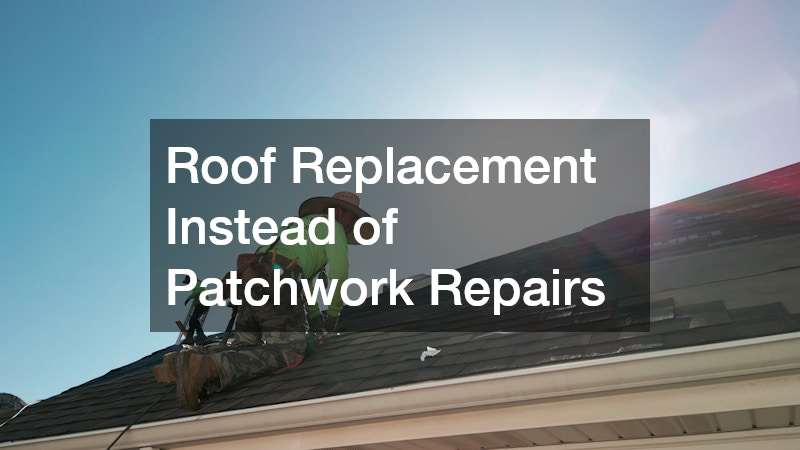
Sometimes a leak isn’t a one-time fix but a sign that the entire roof has reached the end of its lifespan. Asphalt shingles typically last 20 to 25 years, and once granule loss and curling become widespread, patch jobs stop being cost-effective. Bringing in a roof installation contractor for an honest assessment can save homeowners from paying for repeated repairs on a roof that needs full replacement.
Full roof replacement is a major expense, often ranging from several thousand dollars into the tens of thousands depending on materials and home size. Planning for this cost in advance, rather than waiting for a collapse or major leak, gives homeowners more room to compare quotes and financing options.
- Look for granule buildup in gutters as a sign of shingle deterioration
- Get multiple inspections if your roof is older than 15 years
- Ask about material options that offer longer warranties
- Set aside a roof replacement fund if your home is nearing the average lifespan
Water Heater Breakdowns in the Middle of Winter
There’s rarely a convenient time for a water heater to fail, but it always seems to happen during the coldest months when hot water matters most. A tank that suddenly leaks or stops heating can also cause water damage to surrounding flooring and walls if not caught quickly. Scheduling hot water heater installs before an old unit fails completely is far less stressful than dealing with an emergency replacement.
Most tank-style water heaters last between 8 and 12 years, and signs of aging include rusty water, strange noises, or inconsistent temperatures. Replacing a unit proactively also gives homeowners time to research more efficient models that lower long-term utility costs.
- Flush your water heater tank annually to remove sediment buildup
- Watch for rust-colored water as an early warning sign
- Consider a tankless model if your household uses a lot of hot water
- Budget for replacement once your unit passes the eight-year mark
Septic System Backups and Warning Signs

For homes not connected to municipal sewer lines, a failing septic system can turn into one of the messiest and most expensive emergencies imaginable. Slow drains throughout the house, foul odors near the drain field, or unusually lush patches of grass can all signal trouble brewing underground. Scheduling local septic repairs at the first sign of trouble is almost always cheaper than waiting for a full system failure.
Septic tanks generally need pumping every three to five years, but usage patterns and household size can shift that timeline. Skipping routine maintenance is one of the most common reasons septic emergencies happen in the first place, often catching homeowners off guard financially.
- Keep a record of your last septic pumping date
- Avoid flushing wipes, grease, or harsh chemicals down drains
- Watch for pooling water or soggy areas near the drain field
- Schedule an inspection before buying a home with a septic system
Garage Door Malfunctions and Safety Risks
A garage door that suddenly won’t open or closes unevenly is more than an inconvenience; it can be a serious safety hazard, especially with broken springs or frayed cables. A torsion spring under tension can snap with enough force to cause broken bones or worse, and a door that’s off-track may fall unexpectedly if someone tries to force it. These risks are why garage doors are often called the most dangerous DIY project a homeowner can attempt.
Since these doors are heavy and mechanically complex, attempting a DIY fix can lead to injury or further damage. Replacement springs alone typically cost between $150 and $350 installed, but a botched attempt can turn that into a $500-plus repair once you factor in a damaged opener, bent track, or dented panel. Sensor misalignment, worn rollers, and stripped opener gears can also mimic a spring problem, so what looks simple often isn’t.
A residential garage door technician can typically diagnose spring, track, or opener issues quickly and safely, usually within a single service call. They carry the specialized clamps and winding bars needed to release spring tension without risk, and they can spot secondary wear—like a fraying cable or a misaligned sensor—before it causes a bigger breakdown. Scheduling a routine inspection once a year can also catch these problems early, sparing your budget an emergency call altogether.
Garage door repairs vary widely in cost depending on whether the issue is electrical, mechanical, or structural. A broken sensor or remote might run $75 to $150, while a snapped torsion spring or damaged opener motor can climb to $300 or more. If the door has come off its track or the panels are dented beyond repair, replacement costs can exceed $1,000, especially for insulated or custom models.
Beyond the expense, a malfunctioning garage door poses real safety risks. Torsion springs are under heavy tension and can cause serious injury if they snap unexpectedly, and a door that doesn’t reverse properly when it senses an obstruction can be dangerous for children or pets. These are the situations where calling a professional, rather than attempting a DIY fix, is worth the extra cost.
Regular lubrication and visual inspections can extend the life of the system and reduce the odds of a sudden, expensive breakdown. Homeowners should check the springs, rollers, and cables every few months for signs of rust or fraying, and apply lithium-based lubricant to moving parts twice a year. Testing the auto-reverse safety feature and tightening loose hardware are simple steps that can catch small problems before they turn into costly emergencies.
- Test your garage door’s auto-reverse safety feature monthly by placing a block of wood or roll of paper towels in its path and closing the door
- Listen for grinding, scraping, or popping noises during operation, which often signal worn rollers or a failing opener motor
- Inspect cables and springs for visible wear, rust, or fraying twice a year, since a snapped torsion spring can cost $200-$300 to replace
- Avoid forcing a stuck door open or closed manually, as this can snap cables under tension and cause serious injury
- Check that photo-eye sensors near the floor are aligned and unobstructed, since misalignment is a common cause of doors that won’t close
- Keep the door’s moving parts lubricated with silicone-based spray every few months to prevent premature wear on hinges and tracks
Outdoor Living Spaces Damaged by Weather
Patios, decks, and outdoor structures take a beating from sun, rain, and temperature swings year-round, and damage here can sneak up on homeowners who rarely inspect these spaces closely. Screens can tear, frames can rust, and water pooling near enclosed structures can lead to rot or pest infestations. Investing in well-built patio enclosures can actually reduce long-term repair costs by protecting furniture and flooring from direct weather exposure.
When outdoor structures are neglected, small issues like a loose panel or cracked seal can allow water intrusion that spreads to the home’s exterior walls. Seasonal inspections help catch these problems early, before they require a full rebuild rather than a simple patch.
- Check enclosure seals and screens each spring and fall
- Clear debris from drainage points around patios regularly
- Reapply sealant on wood decking every one to two years
- Address rust or corrosion on metal framing as soon as it appears
Emergency home repairs are rarely convenient, but they don’t have to be financially devastating if you plan ahead. Regular inspections, proactive maintenance, and setting aside a repair fund can soften the blow when something inevitably breaks. The best time to research trustworthy professionals and realistic cost ranges is before you’re standing in a flooded basement or staring at a broken garage door. Take stock of your home’s aging systems today, so tomorrow’s emergency feels like a manageable bump rather than a budget-wrecking crisis.