
What to Prioritize When Updating an Older Home
Older homes have a way of making people fall in love quickly. Maybe it is the tall baseboards, the original staircase, the built-ins, or the sense that every room has a story. But once the renovation begins, that charm often comes with surprises behind walls, under floors, and above ceilings. That is why updating an older home should start with a smart plan, not just a wish list of finishes.
The best approach is to prioritize the work that protects the home first, then move toward improvements that make daily life more comfortable and stylish. Safety, structure, efficiency, and function should come before decorative upgrades. A beautiful room matters, but it matters more when the bones of the home are sound and the updates support how people actually live.
A thoughtful renovation plan also helps homeowners avoid spending money twice. When projects are done in the wrong order, new finishes may need to be removed later to access hidden problems. With older homes, patience and sequencing can make the difference between a rewarding update and a stressful one.
Assess Structural Integrity Before Cosmetic Improvements

Before choosing paint colors or fixtures, start with the parts of the home that quietly carry the most responsibility. Older homes can look solid on the surface while hiding foundation movement, moisture damage, framing issues, or poorly repaired previous work. A sloping floor or cracked wall may be harmless settling, but it may also be a sign that something deeper needs attention.
This is where experienced local remodelers can be helpful early in the process. They often know which problems are common in homes from certain decades or neighborhoods. A 1920s home may have different issues than a 1970s property, and a contractor familiar with the area can often spot warning signs quickly.
If there are cracks in basement walls, uneven slabs, drainage concerns, or deteriorating exterior walkways, a concrete contractor may need to inspect the property before interior updates move forward. Foundation and drainage problems should not be ignored because they can affect flooring, walls, doors, and future resale value.
A smart first step is to walk through the home with a repair-first mindset. Look for stains, soft spots, sticking doors, musty smells, cracks, and areas where floors feel uneven. These clues help determine whether the home needs structural repairs before design upgrades begin.
Modernize Systems for Safety and Future Needs
Older homes were not built for today’s electrical demands. Many now support large appliances, home offices, entertainment systems, security devices, and charging stations that previous generations never planned for. When the system is outdated, even simple upgrades can create strain.
Electrical panel replacements should be considered when a panel is old, undersized, frequently tripping, or unable to support planned renovations. A kitchen remodel, bathroom upgrade, HVAC change, or added living space may all require more capacity. It is much easier to address the system before walls are closed and finishes are installed.
A practical way to approach this section of the remodel is to ask three questions:
- Can the current system safely support daily use?
- Will it support planned appliances and technology?
- Will future projects require opening finished walls again?
Energy performance also matters. Old windows can create drafts, temperature swings, and higher utility bills. In some homes, restoring original units may preserve character. In others, replacement or weatherstripping may make more sense. The goal is not always to remove every old feature, but to decide which ones still perform well and which ones are costing comfort and efficiency.
This part of the renovation may not feel exciting, but it supports everything else. A beautiful home is much easier to enjoy when outlets are placed correctly, rooms hold temperature better, and the systems are safe.
Build a Functional Kitchen Around Everyday Living

The kitchen often becomes the emotional center of an older home renovation. It is also one of the easiest places to overspend if decisions are made only by appearance. Before choosing finishes, think about how the kitchen actually works on a busy weekday morning or during a family gathering.
Older kitchens may have charming layouts, but they can also lack storage, counter space, lighting, or clear work zones. Instead of assuming the entire room needs to be gutted, study the pain points. Maybe the refrigerator blocks a walkway. Maybe pots are stored too far from the stove. Maybe the pantry is too shallow, or the drawers are too small for modern cookware.
Working with kitchen cabinet makers can help solve these problems in a tailored way. They can design storage around awkward corners, narrow walls, low ceilings, or unusual room shapes. In older homes, standard cabinet sizes do not always make the best use of space.
Custom cabinets are especially useful when the goal is to respect the home’s character while improving function. For example, a homeowner may want storage that looks like it belongs in a historic house but performs like a modern kitchen. That could mean deeper drawers, hidden trash pullouts, vertical tray dividers, or a built-in pantry that blends with the architecture.
The best kitchen updates usually come from balancing beauty with real habits. A homeowner who cooks daily needs durable surfaces and efficient storage. Someone who entertains often may prioritize serving space and seating. The kitchen should not just look updated; it should make everyday routines feel easier.
Invest in Durable Surfaces That Stand the Test of Time
Surface choices carry a lot of visual weight in an older home. They also take daily abuse. Spills, heat, scratches, cleaning products, and general wear can make poor material choices show their age quickly. That is why durability should be part of the design conversation from the beginning.
Granite countertops remain a popular choice because they offer natural variation, strong performance, and a timeless look when selected carefully. The key is to choose a stone that complements the home instead of fighting it. A highly dramatic slab may look beautiful in a showroom but feel overwhelming in a small kitchen with original trim and modest ceiling heights.
When comparing countertops, think beyond color. Ask how the material handles heat, staining, sealing, scratches, and repair. Also think about edge profiles. A simple edge may suit a craftsman or farmhouse-style home better than an ornate one. Small details can make the difference between a renovation that feels integrated and one that feels pasted on.
A realistic scenario helps here. Imagine replacing worn laminate in an older kitchen. The homeowner wants something elegant, but the cabinets are staying. A heavy or overly modern surface could make the rest of the room look dated. A more restrained material choice may create a better bridge between old and new.
Durable surfaces should support the home’s style without demanding too much attention. In older homes, restraint often looks more expensive than excess.
Improve Flooring for Comfort, Durability, and Style
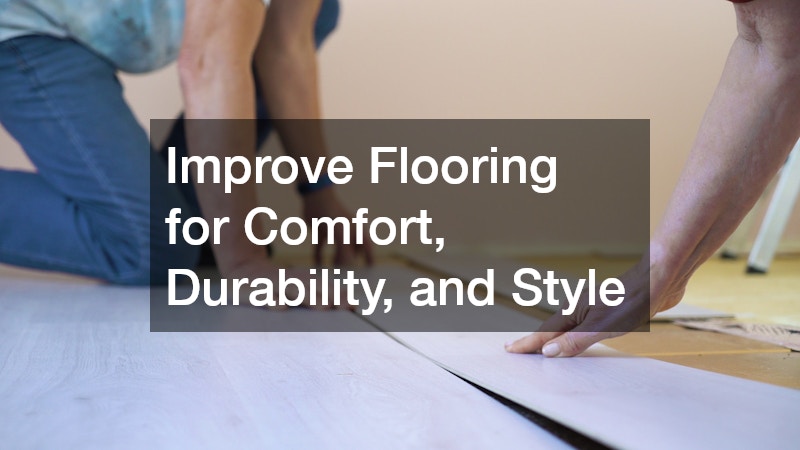
Floors in older homes deserve careful thought because they affect nearly every room. Some homes have original hardwood worth saving. Others have layers of worn carpet, cracked tile, uneven subflooring, or water-damaged materials that need replacement. The right decision depends on condition, lifestyle, and budget.
If original flooring exists, start by asking whether it can be repaired. Refinishing wood floors may preserve character and save money compared with full replacement. However, if the surface is too damaged or the home needs a more moisture-resistant option, new materials may be the better choice.
LVP flooring can be considered in spaces where durability, water resistance, and easy maintenance matter. It may work well in mudrooms, laundry areas, kitchens, or busy family spaces where older materials have not held up. The important thing is to select a style that does not look out of place with the rest of the home.
Flooring transitions also matter. Older homes often have room-by-room layouts rather than wide open plans, so each threshold should feel intentional. A sudden shift from one material to another can make the home feel chopped up. Matching undertones, plank widths, and finish levels helps create flow.
Comfort should not be ignored either. Hard surfaces can be cold or loud, especially in older homes with less insulation. Rugs, underlayment, and thoughtful material choices can make rooms feel warmer without sacrificing durability.
Upgrade Entryways to Improve Security and Curb Appeal
Entryways do more than welcome guests. They influence security, energy efficiency, natural light, and the first impression of the home. In older houses, doors may be warped, poorly sealed, difficult to lock, or simply out of sync with the rest of the exterior.
Custom doors can be a worthwhile upgrade when standard options do not fit the opening or the architectural style. Older homes often have unusual dimensions, and forcing a generic product into the space can create gaps, trim issues, or a look that feels wrong for the property.
A good entry update should answer several practical questions. Does the door seal well during bad weather? Does it provide enough security? Does the design match the age and character of the home? Does the hardware feel sturdy and easy to use?
Small details can make the upgrade feel polished. The right stain, paint color, glass style, threshold, and hardware finish can refresh the exterior without making the home look overly modern. For homeowners who want more curb appeal without a full exterior renovation, the front entry is often a high-impact place to begin.
Back doors, side entries, and garage access points matter too. These are the doors families use every day, and they should be safe, efficient, and convenient.
Create a Realistic Renovation Timeline and Budget

A renovation budget for an older home should always include room for surprises. Once walls are opened or flooring is removed, hidden issues may appear. That does not mean every project will spiral out of control, but it does mean the budget should be honest from the start.
A practical timeline starts by separating needs from wants. Safety and structural repairs come first. System upgrades come next. Then the plan can move into layout improvements, finishes, and decorative details. This order protects the money already spent and reduces the chance of redoing completed work.
It helps to create three budget categories:
- Must-do repairs that affect safety, structure, or code
- High-value improvements that support comfort and function
- Style upgrades that can be phased in over time
This approach gives homeowners flexibility. If hidden plumbing damage eats into the budget, decorative lighting or trim upgrades can wait. If the house is in better shape than expected, more funds can go toward finish work.
Material lead times should also be considered. Older homes often require special sizes, custom work, or repairs that cannot be rushed. A realistic schedule prevents frustration and helps contractors coordinate work in the right order.
The best renovation plans leave breathing room. They do not assume everything will go perfectly, and they do not spend every dollar before the first wall is opened.
Make Thoughtful Updates That Protect the Home’s Character
Updating an older home is not about making it look brand new. The most successful renovations preserve what makes the home special while improving the way it functions. That might mean saving original trim, keeping a fireplace surround, restoring built-ins, or choosing finishes that feel connected to the home’s era.
The priority should always be balance. A home can be safer, more efficient, and more comfortable without losing its soul. When homeowners move too quickly toward trends, older homes can lose the details that made them appealing in the first place.
A good renovation plan respects the past but does not get trapped by it. It makes room for modern routines, better storage, stronger systems, improved comfort, and materials that last. When each decision is made in the right order, the finished home feels natural rather than forced.
Older homes reward patience. Start with the bones, address the systems, improve the spaces used most often, and choose finishes with care. That approach creates a home that feels both beautiful and livable for years to come.