Avoiding Debt During Expensive Home Repair Seasons
Some home repair costs arrive quietly. A small drip under the sink. A door that sticks on cold mornings. A utility bill that creeps up month after month. Others arrive all at once, usually at the worst possible time: the first freeze of winter, the first heavy storm of spring, or the hottest week of summer.
That is why expensive home repair seasons can be so stressful. The challenge is often timing. Several systems may need attention at once, and when repairs compete with everyday expenses, it becomes tempting to rely on credit.
Avoiding debt does not mean putting off every repair. In many cases, delaying work can make the final cost much higher. The real goal is to prepare early, prioritize clearly, and make spending decisions before urgency takes over.
Identifying Seasonal Risks Early
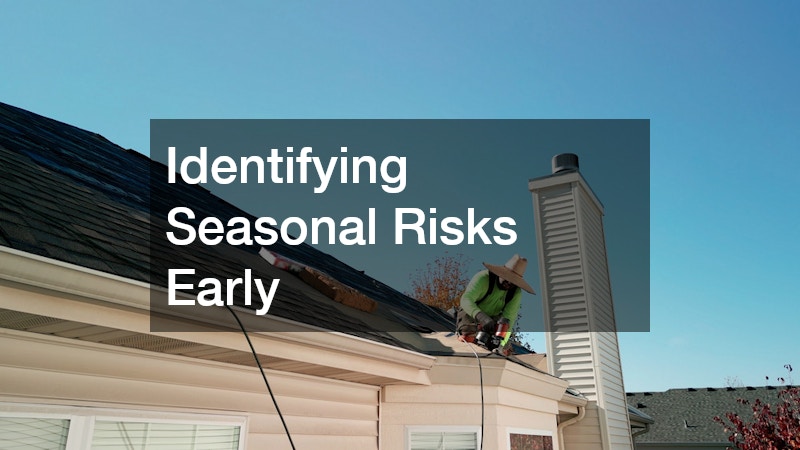
The cheapest repair is often the one handled before it becomes an emergency. Seasonal maintenance works best when homeowners stop thinking of repairs as isolated events and start treating the house as a set of connected systems. A small issue in October may become a major expense in January if cold weather, moisture, or daily use makes the problem worse.
Consider an overhead garage door that has started shaking when it opens. During mild weather, it may seem like an inconvenience. Once winter arrives, worn springs, stiff rollers, or a failing opener can make the door unreliable when the household depends on it most. Waiting until it stops working completely can mean paying emergency rates, replacing more parts, or being forced into a same-day decision with little room to compare prices.
Heating is another area where timing matters. A homeowner who notices uneven heat in early fall has more choices than someone whose system fails during a cold snap. Planning a furnace replace and install project before peak demand gives the household time to compare estimates, review equipment options, and decide whether replacement is truly necessary.
Keep notes on developing issues so you can track patterns over time.
Ranking Repairs by Financial Urgency
Not every repair deserves the same level of urgency. One of the fastest ways to overspend is to treat every home issue as a crisis. A smarter approach is to sort repairs by what they protect: safety, structure, water control, energy use, or appearance.
A roof installation, for example, may become financially urgent when temporary patching no longer stops leaks or when damage is spreading into ceilings, insulation, or framing. In that case, waiting can increase the total cost because water damage rarely stays contained. On the other hand, replacing a roof only because it looks worn may allow more planning time if a professional inspection shows that the structure is still sound.
Gutter repair can also be more urgent than it looks. A loose section or poor drainage may seem minor until water starts pooling near the foundation, spilling over siding, or backing up under roof edges. The repair itself may be manageable, but the damage caused by ignoring it can be expensive.
A practical ranking system can keep decisions grounded:
- Handle anything that creates a safety hazard.
- Prioritize problems that allow water inside or near the foundation.
- Address failures that could damage major systems.
- Plan efficiency improvements when they reduce ongoing costs.
- Delay purely cosmetic updates until the budget is stronger.
This kind of sorting helps prevent panic spending. It also gives homeowners permission to delay lower-priority projects without feeling careless.
Building Savings Around Real Household Patterns
A home repair fund works best when it reflects the way your home actually behaves. Many homeowners set aside a vague amount for emergencies, but older homes, larger properties, or houses with multiple aging systems may need a more specific plan.
Start by looking at the past year. Did you have repeated plumbing slowdowns? Did exterior drainage become a problem every spring? Did one system need attention more than once? These patterns are clues. If your home regularly needs drain cleaning services after heavy use or seasonal shifts, that cost should not be treated as a surprise every time. It belongs in the annual maintenance budget.
Larger projects need a different kind of savings plan. A future gutter installation, for instance, may not be urgent today, but if the current system is undersized, rusting, or pulling away from the home, it should be on the financial calendar. Saving for it over several months can prevent the project from landing on a credit card after the next major storm.
One useful method is to create two separate savings categories. The first is for routine maintenance and smaller repairs. The second is for major replacements or larger seasonal projects. Even a modest monthly contribution can reduce stress because the money has a purpose before the repair arrives.
The goal is not to predict every expense perfectly. That is impossible. The goal is to make the predictable repairs less disruptive, so true emergencies do not wipe out the entire household budget.
Comparing Estimates Without Chasing the Lowest Price

When several repairs are competing for attention, the lowest estimate can feel like the responsible choice. Sometimes it is. But the cheapest bid is not always the least expensive option over time.
A homeowner comparing fence contractors after storm damage, for example, should look beyond the final price. One estimate may include stronger posts, better materials, cleanup, and attention to drainage. Another may look cheaper because it leaves out important details. If the lower-cost work fails sooner, the homeowner may end up paying twice.
The same applies when hiring a garage door company. One provider may quote a basic repair, while another may include higher-quality parts, a labor warranty, or a more complete inspection. Compare the scope of work, not just the final price.
Before agreeing to any repair, ask clear questions:
- What exactly is included in the estimate?
- Are materials, labor, disposal, and permits included?
- Is this a repair, partial replacement, or full replacement?
- What warranty applies to parts and labor?
- What could change the final price?
Written estimates make it easier to compare options calmly. They also help prevent surprise charges later. When debt is the concern, clarity matters because unexpected add-ons can push a manageable project into financial strain.
Maintaining Systems Before Replacement Becomes Necessary
Preventive maintenance is not exciting, but it is one of the best tools homeowners have for avoiding debt. Many expensive repairs begin as neglected maintenance tasks. Filters go unchanged. Small leaks continue. Mineral buildup gets worse. Equipment works harder than it should until replacement becomes the only practical option.
Water systems are a good example. A reverse osmosis water system needs regular filter changes and occasional checks to perform properly. Ignoring maintenance can reduce water quality, strain components, and shorten the life of the system. The cost of upkeep is usually easier to manage than the cost of premature replacement.
Water access issues can be even more significant for homes that rely on private systems or are considering a future well installation. If pressure problems, quality concerns, or supply issues are becoming more frequent, homeowners should investigate early rather than waiting for a severe disruption. Testing, inspections, and planning can help determine whether repairs, treatment, or a larger project makes the most financial sense.
A maintenance mindset changes the question from “How do I pay for this emergency?” to “What can I do now to reduce the chance of an emergency later?” That shift gives homeowners more control over timing, scope, and cost.
Timing Projects Around Cash Flow
Some repairs cannot wait. A burst pipe, active leak, failed heat source, or dangerous electrical issue needs immediate attention. But many home projects have at least some flexibility, and that flexibility can be used to avoid debt.
Timing matters because contractors often have busy seasons. When demand rises, homeowners may face longer wait times, fewer scheduling choices, and more pressure to make quick decisions. Planning work during slower periods can make it easier to compare providers and avoid emergency fees.
Cash flow should also guide timing. If a household receives a tax refund, annual bonus, or seasonal income increase, it may make sense to align planned repairs with that money. The same is true in reverse. Scheduling three major repairs during a month already filled with insurance premiums, school expenses, or holiday spending can create unnecessary pressure.
A realistic repair calendar does not need to be complicated. At the beginning of the year, list the projects you already know are likely. Then assign rough timing based on weather, urgency, and household finances. Even if the plan changes, it gives you a starting point that is better than reacting to every issue as it appears.
Choosing Financing With Clear Limits

Financing is not always a mistake. In some cases, it can protect the home from more expensive damage. The danger comes from using financing without understanding the terms or borrowing for projects that could have waited.
Before signing any agreement, homeowners should slow down and calculate the full cost. A monthly payment may look affordable, but interest, fees, and deferred-interest terms can make the final price much higher. Promotional offers deserve special caution. If the balance is not paid before the promotional period ends, interest may apply in a way that surprises the borrower.
A useful rule is to finance only when the repair protects safety, prevents damage, or preserves essential household function. Even then, compare options. A contractor’s financing plan may be convenient, but it is not automatically the best choice. A credit union loan, home equity option, or savings-based partial payment may cost less, depending on the situation.
Set limits before emotion enters the decision. Decide how much monthly payment the household can handle without cutting into groceries, utilities, insurance, or emergency savings. If the payment only works under perfect conditions, it is probably too risky.
Financing should support necessary repairs, not rushed decisions.
Reducing Scope Without Ignoring the Problem
Homeowners often assume the choice is between doing everything now or doing nothing. In reality, many projects have middle-ground options. A contractor may be able to stabilize a problem, repair the most urgent section, or phase the work over time.
This approach requires honest communication. Instead of asking only for the full project price, ask what must be done now and what can safely wait. A good contractor should be able to explain the risks of delaying part of the work. Some delays are reasonable. Others are not.
Imagine a homeowner with several exterior issues after a rough storm season. The ideal plan might include multiple upgrades, but the budget cannot handle them all at once. Rather than borrowing heavily, the homeowner could address the issue causing active water intrusion first, then schedule the remaining improvements later.
Scope control also means resisting upgrades that sound appealing but do not solve the immediate problem. Better materials, added features, and design improvements may be worthwhile, but not if they turn a necessary repair into unaffordable debt. When money is tight, the best project is the one that solves the essential problem well.
Avoiding Pressure During Repair Emergencies
Expensive repair seasons create the perfect conditions for rushed decisions. Homeowners are stressed. Contractors are busy. Weather may be making the damage worse. In that environment, a high-pressure sales pitch can feel like help.
That is why it is important to know the warning signs. Be cautious if someone demands a large cash payment upfront, refuses to provide a written estimate, avoids questions about licensing or insurance, or pressures you to decide immediately. Urgency may be real, but pressure is not the same as professionalism.
Good documentation protects you. Keep copies of estimates, invoices, warranties, permits, and change orders. If the scope changes midway through the job, ask for the change in writing before approving the additional cost. This may feel formal, especially for a small project, but it prevents confusion later.
It also helps to have a short list of trusted professionals before a crisis happens. When you already know who to call, you are less likely to hire someone simply because they answered first.
Creating a Year-Round Repair Routine

Avoiding debt during expensive repair seasons is easier when maintenance becomes routine. A home does not need constant attention, but it does need regular check-ins. The homeowners who spend the least in emergencies are often the ones who notice small changes early.
A quarterly walk-through is a good habit. Look at the exterior after storms. Check under sinks. Test doors and openers. Listen to mechanical systems. Watch for moisture, cracks, odors, slow drains, and unusual sounds. None of this requires expert knowledge. It only requires paying attention.
Keep a running repair list and update it as conditions change. Label each item as urgent, upcoming, or future. Review the list before seasonal weather shifts so you can schedule work before demand rises. After each completed repair, update your savings plan based on what you learned.
This routine turns home repairs into a normal part of ownership instead of a series of financial shocks. It also helps families make decisions when they are calm, which is one of the most underrated ways to save money.
Planning Early and Spending Intentionally
Home repairs will never be completely predictable. Systems age, storms happen, and even well-maintained houses can surprise their owners. But debt is not always caused by the repair itself. Often, it comes from having too little time, too little information, and no clear plan.
The best defense is preparation. Identify seasonal risks early. Sort repairs by urgency. Save for the expenses your home is most likely to create. Compare estimates carefully, maintain key systems, and be honest about what your budget can handle.
A thoughtful plan does not remove every hard decision, but it gives homeowners more control. Instead of reacting in panic, they can choose repairs based on safety, timing, value, and long-term financial health. That is how expensive repair seasons become manageable—and how homeowners protect both their property and their peace of mind.