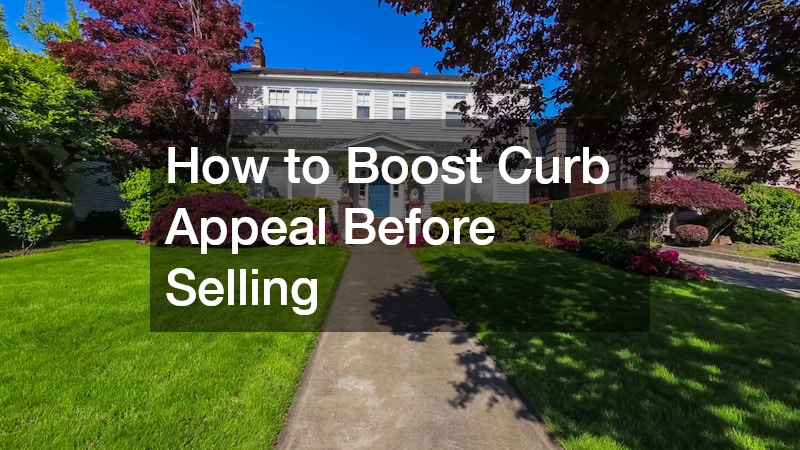
How to Boost Curb Appeal Before Selling
When buyers pull up to a home for the first time, their expectations are set before they ever step inside. A well-maintained exterior signals that the property has been cared for, while neglected details can quietly raise doubts. Curb appeal isn’t about perfection—it’s about creating a sense of trust, warmth, and possibility.
Improving your home’s exterior before listing doesn’t have to mean a full renovation. In fact, many of the most impactful changes are practical, targeted, and surprisingly manageable. The key is knowing where to focus your time and energy so that every improvement contributes to a stronger first impression. A thoughtfully prepared exterior can even influence how buyers perceive the interior, making rooms feel brighter, cleaner, and more valuable before they’ve seen them.
Conducting a Thorough Walkthrough With a Buyer’s Mindset

Before making any updates, take a slow walk around your property as if you’ve never seen it before. This exercise is more revealing than most homeowners expect, especially when you intentionally shift your perspective from owner to evaluator.
Stand across the street and observe:
- Does anything immediately draw your eye for the wrong reasons?
- Are there uneven surfaces, discoloration, or clutter?
- Does the home feel inviting—or slightly neglected?
Now walk closer. Pay attention to textures, smells, and small details. A cracked walkway or faded trim might not seem urgent to you, but to a buyer, it can hint at larger issues. Even subtle cues—like a musty smell near the front steps or peeling paint on a railing—can create hesitation.
It helps to take photos from different angles. Looking at your home through a screen often reveals flaws you’ve grown used to. You might notice patchy grass, stains on siding, or a crooked downspout that didn’t stand out in person.
From here, create a simple priority list:
- High-visibility issues (roof, siding, entryway)
- Functional concerns (drainage, structural wear)
- Cosmetic improvements (landscaping, decor)
This list becomes your roadmap, ensuring you focus on what buyers will notice first. If possible, ask a friend or neighbor for their honest opinion. Fresh eyes can catch things you may overlook after years of familiarity.
Restoring Roof Condition to Strengthen Buyer Confidence
A roof doesn’t just protect a home—it communicates its condition. Even buyers who don’t know much about construction will instinctively look up, scanning for signs of wear or neglect.
If shingles appear curled, stained, or uneven, it’s worth consulting a local roofer to assess the situation. Sometimes the fix is simpler than expected. Minor roof repair can address isolated damage without requiring a full replacement, which is often a relief for sellers working within a budget.
In many cases, improvement comes from maintenance rather than major work. Clearing debris, removing moss, and cleaning dark streaks can dramatically improve appearance. These steps not only enhance visual appeal but also signal that the home has been responsibly maintained over time.
Another overlooked factor is how the roof looks from different angles. For example, buyers viewing the home from the driveway may notice areas that aren’t visible from the street. Taking time to inspect these perspectives ensures consistency in presentation.
Buyers often associate roof issues with future expenses. By addressing visible concerns ahead of time, you remove a common hesitation and make your home feel more move-in ready. Even a simple inspection report showing the roof is in good condition can add reassurance during negotiations.
Updating Exterior Surfaces to Achieve a Clean, Cohesive Look
The condition of your home’s outer walls plays a major role in how fresh and modern it feels. Faded or damaged surfaces can make even a structurally sound home appear older than it is, which can influence perceived value.
Start with a deep clean. Power washing can remove years of dirt, mildew, and discoloration. This alone can brighten the entire exterior and restore original color tones you may have forgotten.
If there are cracks, warping, or persistent stains, it may be time to consult a siding contractor. They can help determine whether repairs, repainting, or partial replacement will deliver the best result. Often, targeted fixes—such as replacing a few damaged panels—can make a big difference without requiring a full overhaul.
Color also matters more than many homeowners realize. Neutral tones with subtle contrast tend to appeal to the widest range of buyers. A fresh, cohesive palette can unify the entire property and make architectural details stand out.
Don’t forget smaller elements like trim, shutters, and fascia boards. When these are clean and consistent, they frame the home in a way that feels intentional and complete. Think of this step as giving your home a reset—removing visual noise and presenting a clean, well-cared-for exterior.
Correcting Drainage Issues to Prevent Visible Damage

Water problems are often hidden until they’re not. Pooled water, muddy patches, or eroded soil can quickly turn buyers away, especially if they suggest potential foundation issues.
If you notice standing water after rain, it’s worth bringing in a yard drainage contractor to evaluate the flow. Redirecting water away from the home protects both the structure and the landscape. Solutions might include installing drainage systems, extending downspouts, or creating subtle grading changes.
Uneven terrain can also contribute to these issues. A yard grading contractor can reshape the ground so water naturally moves away from the foundation. This not only prevents damage but also improves the overall appearance of the yard, making it look more intentional and easier to maintain.
In some cases, drainage improvements also enhance usability. A once-soggy corner of the yard could become a dry, functional space that buyers can imagine using for seating, gardening, or play.
Addressing drainage isn’t just practical—it’s reassuring. Buyers may not understand the technical details, but they recognize when a yard looks stable, dry, and well-managed. That sense of security can make a meaningful difference in how they perceive the entire property.
Maintaining Gutters to Create a Finished, Well-Kept Exterior
Gutters are easy to overlook, yet they frame the roofline and play a key role in how polished a home appears. When they’re clean and aligned, they quietly contribute to a sense of order.
Start with a thorough cleaning. Leaves, dirt, and debris can cause sagging or overflow, which leads to staining on siding and walkways. Straightening and securing gutters helps restore clean lines along the roof and prevents future issues.
Adding gutter covers can be a subtle but meaningful upgrade. They signal that the home is designed for low maintenance, which appeals to many buyers who want to avoid ongoing upkeep.
Color coordination is another detail worth considering. Matching gutters to trim or siding can create a more cohesive look, while mismatched tones can feel distracting. Even repainting existing gutters can make a noticeable difference.
These small adjustments bring a sense of care to the exterior. Buyers may not comment on gutters directly, but they often notice when something feels “off.” A well-maintained system helps everything else look more intentional.
Refining Landscaping to Establish Balance and Structure
Landscaping doesn’t need to be elaborate to be effective. In fact, simplicity often creates the strongest impression, especially when it emphasizes balance and structure.
Begin by trimming overgrown shrubs and trees. When greenery is too dense, it can hide the home and make the space feel smaller. Opening up these areas allows the architecture to shine and improves natural light.
Next, define edges. Clean lines along walkways and garden beds create a sense of organization. Adding fresh mulch or ground cover can instantly make these areas look more intentional and well-maintained.
If you’re unsure where to start, focus on symmetry. Balanced plantings around the entryway or along the front of the home tend to feel naturally appealing. Even small adjustments—like repositioning planters or removing clutter—can improve flow.
Consider seasonal appeal as well. Choosing low-maintenance plants that stay attractive throughout the year ensures your home looks good regardless of when buyers visit.
A well-maintained yard suggests ease and livability. Buyers can imagine enjoying the space rather than worrying about upkeep, which is exactly the impression you want to create.
Enhancing Hardscaping Features to Add Visual Interest

Hardscaping elements—like walkways, patios, and borders—anchor the landscape and guide how people move through the space. When these features are in good condition, they add structure and visual interest.
If these areas are cracked or uneven, they can detract from the overall impression. Repairing or replacing damaged sections is often worth the effort, especially in high-traffic areas like the front walkway.
Adding new materials can also elevate the design. Working with a stone delivery service allows you to refresh pathways or create defined borders with consistent, high-quality materials. This can make even a simple yard feel more refined.
For larger changes, an excavating contractor can help reshape the layout. This might involve leveling a patio area, creating a more direct walkway, or improving the flow between spaces. While these updates may seem more involved, they can significantly improve how the property is experienced.
These updates don’t need to be dramatic. Even subtle improvements can make the exterior feel more intentional and cohesive, helping buyers navigate the space comfortably.
Revitalizing Outdoor Accents to Highlight Unique Character
Decorative features can add personality to a home, but only when they’re in good condition. A weathered statue or worn fountain can quickly shift from charming to neglected if left unattended.
If you have ornamental elements, consider whether they enhance the space or distract from it. In some cases, professional statue restoration can bring these features back to life, turning them into focal points rather than liabilities.
Cleaning, sealing, or repositioning these accents can also make a difference. For example, placing a restored feature near a garden bed or entryway can create a subtle point of interest without overwhelming the space.
If a piece feels outdated or damaged beyond repair, removing it may be the best option. A clean, uncluttered space often feels more inviting than one filled with mismatched decor.
The goal is to highlight character without creating a distraction. When done well, these details can leave a lasting impression that helps your home stand out.
Designing an Entryway That Feels Warm and Inviting
The entryway is where buyers transition from outside observers to potential owners. It should feel welcoming without being overly personalized, striking a balance between style and neutrality.
Start with the front door. A fresh coat of paint in a complementary color can make it stand out in the best way. Updating hardware—like handles, knockers, or house numbers—adds a subtle sense of quality that buyers notice up close.
Lighting plays an important role here. Soft, well-placed fixtures can create a warm glow in the evening while also improving safety. Consider layering light sources, such as wall sconces and overhead fixtures, for a balanced effect.
To enhance the space, incorporate a few simple touches:
- A clean, well-sized doormat
- A pair of potted plants or flowers
- Minimal seasonal decor that feels fresh but not overly specific
These details help buyers imagine arriving home each day, which is exactly the feeling you want to create. A thoughtfully designed entryway can make the transition into the home feel seamless and inviting.
Maintaining a Consistently Clean and Show-Ready Exterior

Once improvements are complete, consistency becomes the goal. A home that looks great one day but is neglected the next can undermine all your efforts, especially during active showings.
Develop a simple routine that keeps everything in check:
- Sweep walkways and driveways regularly
- Keep the lawn trimmed and edges clean
- Remove any clutter, tools, or debris
- Check for new stains or buildup after rain
If you’re actively showing the home, take a few minutes before each visit to do a quick walkthrough. Straighten anything that’s out of place and ensure the entryway feels welcoming.
It can also help to think in terms of “reset points.” For example, after a storm or a busy weekend, spend a few minutes restoring order so the property always returns to its best condition.
Think of this as maintaining a standard rather than preparing for an event. A consistently clean exterior reinforces the idea that the home is well cared for, which builds trust with buyers and supports stronger offers.
Final Thoughts on Creating a Lasting First Impression
Curb appeal is ultimately about perception. It’s the story your home tells before anyone steps inside. By addressing visible issues, refining details, and maintaining a clean, cohesive look, you create an environment that feels inviting and well cared for.
These improvements don’t just make your home more attractive—they make it easier for buyers to imagine themselves living there. And in the end, that emotional connection is what turns interest into an offer.