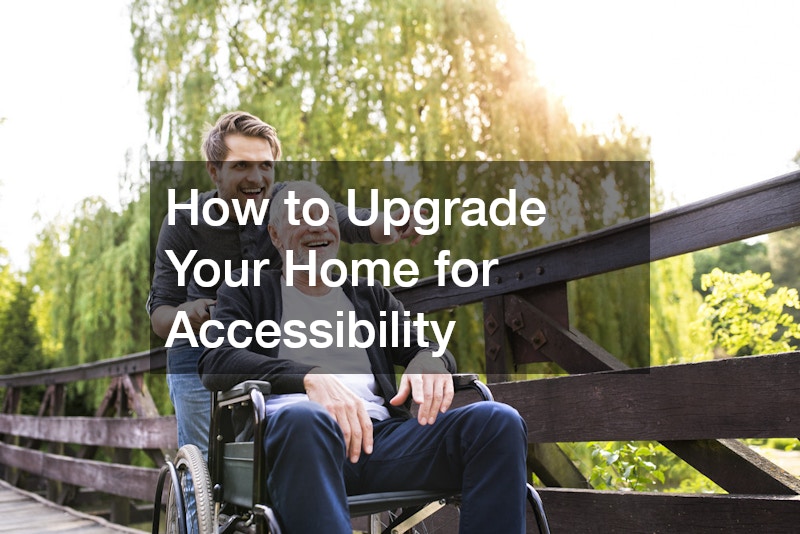
How to Upgrade Your Home for Accessibility
To transform a standard house into a barrier-free environment, one must look beyond simple aesthetics and focus on the mechanics of movement, the ergonomics of daily tasks, and the integration of protective technology. Achieving a truly accessible home requires a multi-layered approach that addresses structural, mechanical, and digital obstacles.
This guide serves as a comprehensive manual for homeowners, caregivers, and builders looking to create a space that fosters long-term independence. Whether you are proactively preparing to age in place or reacting to a sudden change in health, the following sections provide a technical and empathetic roadmap to reclaiming the autonomy that every person deserves within their own home.
The Philosophy of Universal Design
The foundation of home accessibility lies in Universal Design—the concept of creating products and environments that are usable by all people, to the greatest extent possible, without the need for adaptation or specialized design. In a home context, this means that a modification made for someone with a mobility challenge should also make the home more comfortable for a child or an able-bodied adult.
When you begin this process, the first step is often a consultation with a professional home accessibility modification company. These experts evaluate the “flow” of the home. They look for “pinch points” where a hallway might be too narrow for a wheelchair or where a floor transition creates a trip hazard. By starting with a professional audit, you ensure that the budget is spent on changes that provide the highest return on safety and quality of life.
Furthermore, if the project involves significant structural changes, it is vital to work with an ADA compliance contractor. While the Americans with Disabilities Act primarily governs public spaces, applying these rigorous standards to a private residence ensures that ramps, doorways, and reach ranges are optimized for the widest possible range of human movement.
Sensory-Friendly Environments and Lighting Design

Accessibility is not exclusively about physical mobility; it also encompasses sensory and cognitive ease. A well-designed home must account for changes in vision, hearing, and tactile sensitivity. Lighting, in particular, is a critical safety feature that is often overlooked.
-
Layered Lighting: Move away from single overhead fixtures that create harsh shadows. Instead, use a mix of task lighting (under cabinets), ambient lighting (dimmable LEDs), and accent lighting to define the edges of rooms and furniture.
-
Contrast and Navigation: Use high-contrast colors to define transitions. For example, a dark baseboard against a light wall helps those with low vision identify where the floor meets the wall. Similarly, contrasting colors on the edges of countertops can prevent accidental spills or bumps.
-
Acoustic Management: For individuals with hearing impairments or sensory processing sensitivities, reducing “reverb” is essential. Installing acoustic ceiling clouds or high-quality area rugs (properly secured) can dampen background noise, making it easier to focus on conversation or safety alerts.
The Kitchen – Ergonomics and Reachability
The kitchen is traditionally designed for standing adults, which makes it one of the most difficult rooms for those using mobility aids. To fix this, we must rethink the height and depth of every surface.
Countertops and Workstations
Standard counters sit at 36 inches high. For a seated user, this is often too high for safe food preparation. A well-modified kitchen should feature multi-level counters or motorized height-adjustable surfaces. Beneath these counters, “knee space” must be provided by removing lower cabinets, allowing a wheelchair user to pull directly up to the sink or prep area.
Storage Solutions
Traditional deep cabinets are “black holes” for accessibility. To solve this, homeowners are increasingly turning to custom cabinets designed with pull-down shelving systems and full-extension drawers. Instead of reaching into the back of a dark shelf, the user can bring the contents of the cabinet down to their level or pull the entire drawer out into the light.
For families who have professional support, such as those receiving in-home care, these modifications are equally beneficial for the caregiver. A kitchen that is organized and accessible allows a caregiver to prepare meals more efficiently while maintaining a safe environment for the resident to participate in the process.
Flooring Selection and Underfoot Transitions
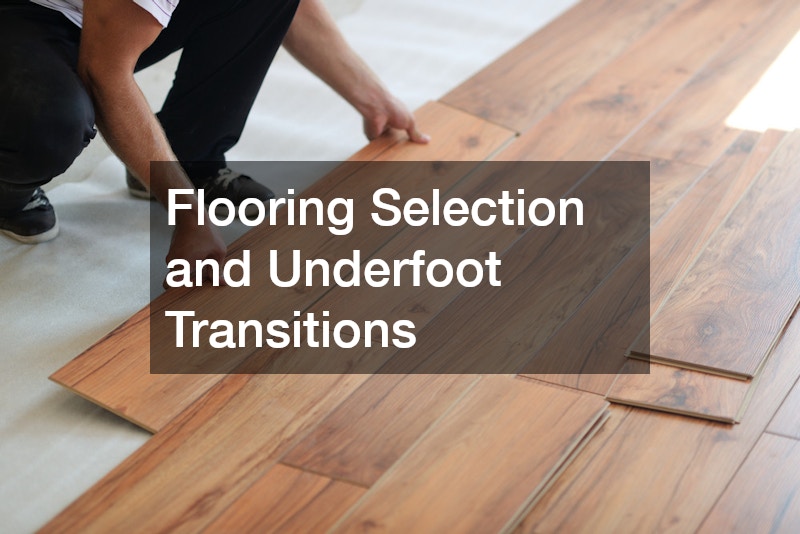
The floor is the most consistent point of contact between a resident and their home. Choosing the right material can be the difference between a confident stride and a dangerous fall.
-
Slip Resistance: Materials are rated by their Coefficient of Friction (COF). For accessible homes, a COF of 0.60 or higher is recommended for flat surfaces, and even higher for ramps. Textured porcelain tile or luxury vinyl plank (LVP) are excellent choices that provide grip without sacrificing style.
-
Pile Height: If you prefer carpet, choose a low-pile, high-density option (less than 1/2 inch thick). Deep, “shag” carpets are difficult for walkers and wheelchairs to navigate and can easily hide small objects that create trip hazards.
-
Transition Strips: Traditional “T-molding” between rooms can be a major hurdle. In an accessible home, flooring should ideally be “flush” from room to room. If a transition is necessary, use a beveled reducer that creates a gentle slope rather than a sharp vertical lip.
The Bathroom – Eliminating the Greatest Risks
The bathroom is where the majority of home-related falls occur. The combination of slick surfaces, water, and tight spaces makes it a high-risk zone.
The Shower Transition
The most impactful change a homeowner can make is moving away from the traditional “step-over” tub. Specialized bathroom remodelers focus on creating “wet rooms” or curbless showers. By removing the 15-inch tub wall, you eliminate the need for a person to balance on one leg while entering a slippery area.
Tub to shower remodeling is not just about the basin; it’s about the entire environment. This includes:
-
Integrated bench seating: A permanent, tiled bench is safer and more stable than a removable plastic chair.
-
Reinforced Walls: Installing “blocking” behind the drywall so that grab bars can be mounted securely at any time without having to tear the wall open again.
-
Thermostatic Valves: Ensuring water temperature stays consistent to prevent accidental scalds.
Accessible Outdoor Living and Landscaping

An accessible home shouldn’t end at the back door. Nature and fresh air are vital for mental health, and the transition to outdoor spaces should be seamless.
-
Raised Garden Beds: For those who enjoy gardening but cannot bend down to ground level, waist-high planter boxes allow for a fulfilling hobby without the physical strain.
-
Path Width and Surface: Garden paths should be at least 48 inches wide to allow two people to walk side-by-side or a wheelchair to turn. Use hard-packed crushed stone, pavers with minimal gaps, or poured concrete rather than loose gravel or wood chips.
-
Level Entry Decks: Build decks that are perfectly flush with the interior floor. Using a “threshold drain” allows water to escape while maintaining a zero-step transition between the living room and the patio.
Navigating Vertical Space
In a multi-story home, the staircase is often the first barrier that forces a person to move out of their home. For a permanent and dignified solution, many choose to invest in elevator installation services. Modern residential elevators are no longer the massive, industrial machines of the past. Today’s “vacuum” or “shaftless” elevators can be tucked into the corner of a room with minimal structural impact.
When an elevator isn’t feasible, a home accessibility modification company might suggest a “vertical platform lift” (VPL) for porches or split-level entries. These lifts move a person and their wheelchair up to the main level of the home without the need for a 30-foot-long ramp.
The Smart Home as an Accessibility Tool
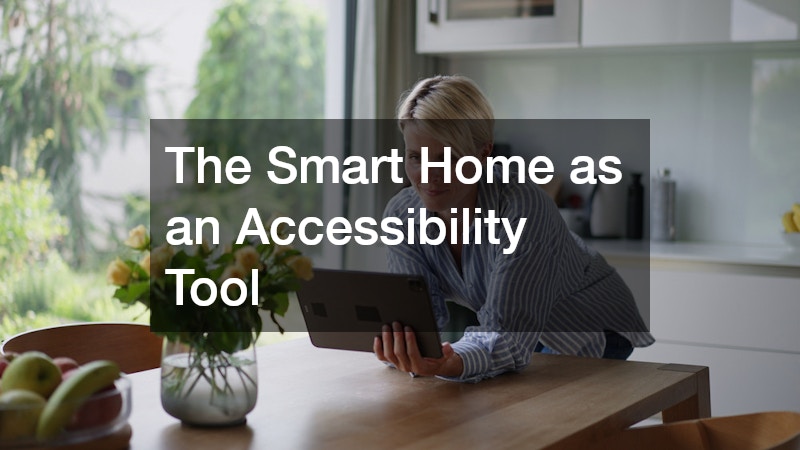
Technology has revolutionized how we manage disability and aging. A “Smart Home” is, by definition, an accessible home.
Access and Security
For individuals with limited hand dexterity, traditional keys are a major barrier. Modern access control systems utilize biometrics (fingerprints) or smartphone proximity to unlock doors automatically. This ensures the home is always secure but always accessible to the resident.
Furthermore, integrating a high-end home security system provides an extra layer of “passive” safety. Modern sensors can now detect a “human fall” without the user needing to wear a pendant. If a fall is detected, the system can automatically alert family members or emergency services.
The Psychological Impact of Aesthetic Accessibility
One of the greatest hurdles to home modification is the fear that the house will “look like a hospital.” However, modern design has moved past clinical-looking chrome and white plastic.
-
Integrated Design: Accessibility features can be beautiful. Grab bars now come in finishes like matte black, champagne bronze, and brushed gold, often doubling as stylish towel racks.
-
Maintaining Dignity: When a home is modified to look intentional rather than “added-on,” it preserves the resident’s sense of self and pride in their environment. This is known as “Inconspicuous Accessibility.”
-
Resale Value: A home that is “Visitable”—meaning someone in a wheelchair can at least enter and use the bathroom—is becoming a major selling point as the global population ages. Thoughtful design increases the pool of potential future buyers.
Emergency Preparedness and Life Safety
In an emergency, every second counts. It is critical to have emergency equipment that is tailored to the resident’s needs. This includes strobe alarms for those with hearing impairments and bed shakers that physically vibrate the mattress to wake a person who may not hear an audible siren.
Finally, ensuring that the home remains compliant with safety standards is an ongoing process. Regularly consulting with an ADA compliance contractor can help you keep up with new technology and safety regulations as they evolve, ensuring your home remains a sanctuary rather than a challenge.
Financial Planning and Grant Navigation
Undertaking a comprehensive home accessibility project is a significant financial commitment. However, many homeowners are unaware of the various programs designed to offset these costs. Proper financial planning ensures that safety modifications don’t become a source of economic stress.
-
Tax Deductions: In many jurisdictions, home modifications prescribed by a physician—such as ramps, widened doorways, or specialized bathroom fixtures—can be claimed as deductible medical expenses. It is essential to keep all receipts and a letter of medical necessity from a healthcare provider.
-
VA Grants: For veterans, the Department of Veterans Affairs offers Specially Adapted Housing (SAH) and Home Improvements and Structural Alterations (HISA) grants. These can provide substantial funding for everything from elevators to walk-in showers.
-
State and Local Programs: Many states offer “Home Modification Loans” with zero or low interest, specifically for seniors and individuals with disabilities. Additionally, non-profit organizations often provide labor for smaller projects like grab bar installation.
Cognitive Accessibility and Memory Support
Accessibility is often discussed in terms of physical mobility, but cognitive accessibility—designing for individuals with dementia, Alzheimer’s, or neurodivergence—is equally critical for a safe home environment.
-
Wayfinding and Transparency: For those with memory challenges, “visual cues” are vital. Replacing solid pantry or closet doors with glass-front versions allows a resident to see what is inside without having to remember which door leads where.
-
Simplification of Controls: Modern appliances can be confusing. Replacing a complex digital stovetop with one that has simple, tactile dials can prevent frustration and accidents. Similarly, labeling drawers with both words and pictures can help maintain independence in daily tasks.
-
Color-Coded Environments: Using distinct colors for different rooms can help with orientation. For example, a blue theme for the bathroom and a green theme for the bedroom helps the brain quickly identify the function of the space upon entering.
Upgrading a home for accessibility is a journey toward independence. It is an acknowledgment that while our physical abilities may change, our right to live with dignity in our own space does not. By combining structural changes—like curbless showers and widened pathways—with the intuitive power of modern technology, any home can be transformed into a place of comfort and safety. These changes represent the ultimate investment: an investment in a future without barriers.
This evolution of the home environment serves as a powerful testament to the idea that “disability” is often a mismatch between a person’s needs and the environment they inhabit. When we remove the threshold at the front door or lower the height of a kitchen island, we are not just moving wood and stone; we are expanding the resident’s world. We are replacing frustration with fluid movement and anxiety with a sense of mastery over one’s surroundings. It is a commitment to the belief that everyone should be the master of their own domain, today and for all the years to come.