
How to Boost Curb Appeal on a Budget
Before you spend a single dollar, take a step back—literally. Walk across the street, turn around, and look at your home the way a visitor or potential buyer would. First impressions are often formed in seconds, and this simple exercise helps you identify what’s working and what’s dragging your exterior down.
Start by asking yourself a few honest questions. Does anything look neglected? Is there peeling paint, overgrown landscaping, or clutter that distracts from the home’s structure? Often, curb appeal issues aren’t about major flaws—they’re about small details stacking up.
A helpful approach is to take photos of your home from different angles. Photos tend to reveal things your eyes might overlook in real time. You might notice uneven coloring, mismatched fixtures, or areas that feel visually heavy or unbalanced.
Once you’ve identified problem areas, prioritize them. Not everything needs to be fixed at once. Focus first on changes that are:
- Highly visible from the street
- Relatively inexpensive
- Quick to complete
This mindset prevents overspending and helps you build momentum. Many homeowners find that tackling just two or three key areas dramatically changes how their home feels from the outside.
You can also ask a friend or neighbor for honest feedback. Someone who doesn’t see your home every day will often notice things you’ve grown used to ignoring. Fresh eyes can help you spot opportunities for improvement that feel obvious in hindsight.
Refresh the Front Entry for Immediate Impact
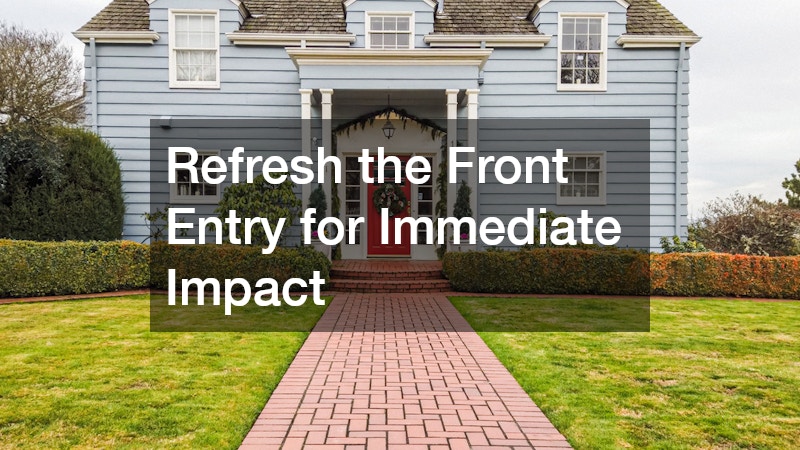
Your front entry sets the tone for the entire home. It’s where the eye naturally lands, so even modest upgrades here can create a noticeable transformation.
Begin with the front door. A fresh coat of paint in a bold but tasteful color—navy, deep green, or even a muted red—can instantly modernize your exterior. Pair that with updated hardware like a sleek handle or knocker, and suddenly your entry feels intentional rather than overlooked.
Windows also play a major role in framing your home. Repainting or replacing shutters can help create symmetry and balance. If they’re faded or outdated, even a quick refresh can make the entire façade feel newer.
Look upward as well. Roofline details often get ignored, but they matter more than you think. Cleaning and aligning your seamless gutter system ensures your home looks maintained and cohesive, rather than patchy or neglected.
Finish the space with small but meaningful touches:
- A clean, modern doormat
- Updated house numbers that are easy to read
- A simple potted plant or two for color
These are subtle changes, but together they create a welcoming, polished entry that draws people in.
Upgrade Outdoor Surfaces Without Overspending
Walkways, driveways, and patios are some of the most used—and most visible—areas of your home. When they’re cracked, stained, or uneven, they quietly pull down your entire exterior.
Start with a deep clean. Power washing can remove years of dirt and instantly brighten concrete, brick, and stone surfaces. It’s one of the lowest-cost improvements with one of the highest visual returns.
If your surfaces have minor damage, don’t jump straight to replacement. Small cracks can often be filled and sealed for a fraction of the cost. For uneven areas, leveling compounds or simple regrading can restore a clean look without a full overhaul.
If you’re ready for a slightly bigger upgrade, consider incorporating patio pavers. They offer a structured, intentional look and can be installed in sections over time, making them budget-friendly. Even adding a small paver pathway or extending an existing patio can make your outdoor space feel more finished.
For those working with very tight budgets, alternatives like gravel or stepping stones can still create a defined, attractive path while keeping costs low.
Another overlooked trick is redefining edges. Clean, straight edges along walkways or driveways can make older surfaces look newer. It’s a subtle improvement, but one that adds a sense of order and care.
Improve Lighting for Both Style and Safety
Lighting is one of those upgrades that quietly transforms everything. It affects not just how your home looks at night, but how safe and welcoming it feels.
Start by evaluating your current fixtures. Are they outdated, mismatched, or dim? Replacing them with modern, energy-efficient options can instantly elevate your exterior.
Layer your lighting rather than relying on a single source. A combination of wall-mounted lights, pathway lighting, and accent fixtures creates depth and visual interest. Solar-powered options are especially useful for homeowners looking to avoid wiring costs.
There are also moments when it makes sense to bring in professional help. If you’re installing new wiring or upgrading multiple fixtures, working with a licensed electrician ensures everything is safe and up to code.
Consider where lighting can highlight your home’s best features:
- A soft glow along a walkway
- Uplighting on a tree or architectural detail
- Warm lighting near the entry to create a welcoming feel
Done right, lighting doesn’t just illuminate—it enhances. It can also extend how you use your outdoor space, making evenings more enjoyable while boosting your home’s perceived value.
Bring Landscaping Back to Life Without Major Costs
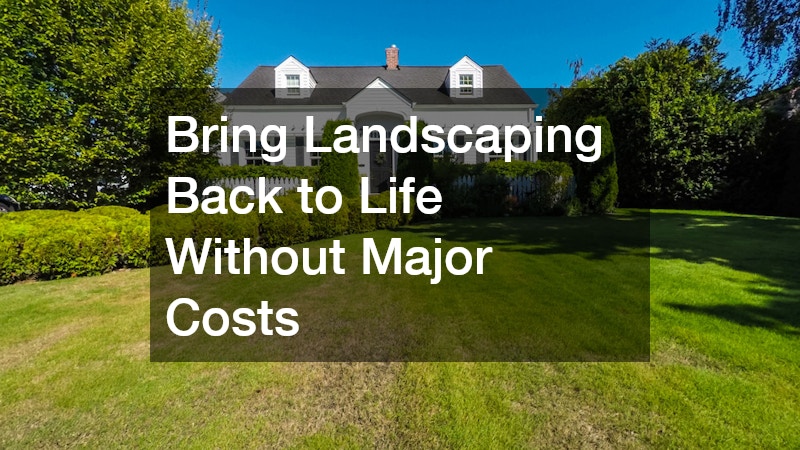
Landscaping doesn’t need to be elaborate to be effective. In fact, simplicity often looks more intentional and is easier to maintain over time.
Start with the cleanup. Trim overgrown bushes, remove dead plants, and edge your lawn. This alone can make your yard feel significantly more cared for.
Next, focus on structure. Adding fresh mulch creates contrast and defines planting areas. It also helps retain moisture, making it both practical and visually appealing.
If you’re adding plants, choose low-maintenance varieties that thrive in your climate. Native plants are often the best choice—they require less water and care while still looking great year-round.
You don’t need a full garden redesign to make an impact. Even a few well-placed planters near the entry or along a walkway can add color and life.
Think of landscaping as framing your home. It should support and highlight the structure, not compete with it.
Restore and Modernize the Garage Area
The garage often takes up a significant portion of your home’s exterior, yet it’s frequently overlooked.
Begin with the basics: cleaning and repainting. A freshly painted garage door can dramatically change how your home looks from the street. Neutral tones or colors that match your home’s trim tend to work best.
If your garage door isn’t functioning smoothly, addressing minor issues can make a difference both visually and practically. Simple garage door repair tasks—like tightening hardware or fixing alignment—can restore a clean, well-maintained appearance.
For a more updated look, consider adding decorative hardware or replacing outdated panels. These changes are relatively affordable but can give your garage a more custom, high-end feel.
It’s also worth decluttering the area around the garage. Items stored outside, like tools or bins, can make the space feel messy and detract from the overall aesthetic.
Add Practical Structures That Also Enhance Design
Sometimes, improving curb appeal means adding something new rather than fixing what’s already there.
A well-designed carport, for example, can serve both functional and aesthetic purposes. If your home lacks covered parking, carport construction offers a cost-effective alternative to building a full garage.
The key is to make sure the structure complements your home. Materials, colors, and proportions should align with the existing design rather than feel like an afterthought.
Simple design choices can make a big difference:
- Matching rooflines or angles
- Using similar trim or finishes
- Keeping the structure clean and uncluttered
When done thoughtfully, additions like this don’t just solve a problem—they enhance the overall look of your property.
You might also consider how the space is used daily. A well-integrated structure can improve convenience while subtly elevating the home’s appearance, making it feel more complete.
Improve Efficiency While Enhancing Exterior Appearance
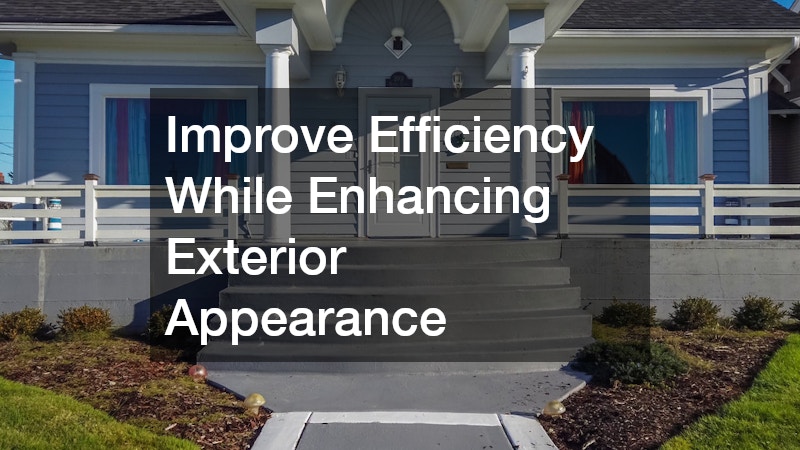
Not all curb appeal improvements are purely visual. Some of the most valuable upgrades also improve how your home functions.
Heating and cooling systems, for example, are often visible from the outside. Older units can look bulky or worn, which affects the overall appearance of your home.
Upgrading to a newer HVAC installation can improve both efficiency and aesthetics. Modern systems are often more compact and visually streamlined.
If a full replacement isn’t necessary, consider ways to make existing systems less noticeable. Strategic landscaping or decorative screens can help them blend into the background.
Working with a heating contractor can also help you identify upgrades that improve performance while keeping your exterior clean and organized.
These changes may not be the first thing people notice—but they contribute to a home that feels well-maintained and thoughtfully designed.
Refine Roofline and Drainage Details
Roofline elements might not grab attention immediately, but they play a critical role in how finished your home looks.
Gutters, in particular, can either blend seamlessly or stand out for the wrong reasons. If your current system is mismatched or visibly segmented, upgrading to seamless gutter options can create a cleaner, more cohesive appearance.
Beyond looks, proper drainage protects your home from water damage, which can lead to visible wear over time. Sagging gutters, stains, or overflow marks can quickly undermine your curb appeal.
Take time to ensure everything is aligned, clean, and functioning properly. Even repainting or adjusting existing components can make a noticeable difference.
It’s one of those details that people don’t always consciously notice—but they do feel when it’s done right.
Handle Small Repairs That Quietly Elevate Everything
Sometimes the biggest improvements come from the smallest fixes.
Loose railings, worn trim, or slightly crooked fixtures might seem minor on their own, but together they create an impression of neglect. Addressing these details can instantly make your home feel more polished.
When working on heavier elements—like lifting or adjusting large exterior pieces—it’s important to use proper equipment. Tools sourced from a web sling manufacturer, for example, can make these tasks safer and more manageable.
Go through your exterior with a detail-oriented mindset. Tighten, align, clean, and replace where needed. These aren’t glamorous tasks, but they’re incredibly effective.
Think of it as fine-tuning. Once the major elements are in place, these small adjustments bring everything together.
Keep Utility Areas Clean and Well-Managed
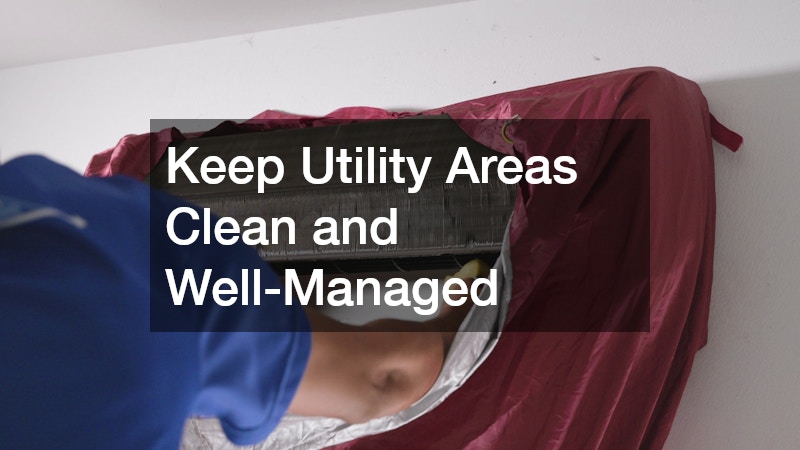
Utility areas are often tucked away, but they still impact the overall impression of your home.
If you have visible tanks or systems, keeping them clean and organized is essential. For homes that rely on propane delivery, this might mean ensuring tanks are properly placed and not surrounded by clutter.
Even simple steps—like adding a small enclosure or landscaping around these areas—can help them blend into the environment rather than stand out.
The goal isn’t to hide functionality entirely, but to integrate it into your home’s design in a way that feels intentional.
Bring It All Together with Thoughtful, Layered Improvements
The most effective curb appeal transformations don’t come from a single dramatic change. They come from layering multiple small, thoughtful upgrades.
You might repaint the front door, clean the driveway, update lighting, and refresh landscaping—all relatively affordable tasks on their own. But together, they create a cohesive, high-impact result.
What matters most is consistency. Colors, materials, and finishes should work together rather than compete. When everything feels aligned, your home naturally looks more refined and inviting.
It can help to think in phases rather than trying to tackle everything at once. Start with the most visible fixes, then gradually build on your progress. Over time, these improvements compound, creating a home that feels intentional from every angle.
Even on a limited budget, curb appeal isn’t about how much you spend—it’s about how thoughtfully you approach each decision.