How Home Construction Projects Incorporate Design and Finishing Services
Modern home building and renovation projects are far more complex than simply constructing walls and installing fixtures. Today’s homeowners expect a seamless blend of structural integrity, interior design, and high-quality finishing work that creates functional, visually appealing spaces. Achieving that level of cohesion requires early planning, clear communication, and collaboration between multiple professionals across different phases of the project.
When design and finishing services are integrated into the construction process from the beginning, the result is a home that feels intentional rather than pieced together. This approach reduces costly rework, minimizes delays, and ensures that every detail—from layout to final paint touch-ups—supports the homeowner’s vision. The following sections break down how different stages of a project work together and provide actionable guidance for achieving better results in any build or renovation.
1. Establishing a Strong Foundation for Project Planning
Successful projects begin with clear planning that aligns structural goals with design expectations. Without this foundation, even well-built homes can suffer from awkward layouts or inconsistent finishes.
During early planning, homeowners and professionals should:
- Define the purpose of each space before construction begins
- Establish budget ranges for both structural and design elements
- Identify long-term needs rather than focusing only on immediate preferences
- Coordinate architectural plans with interior design concepts
In projects involving home construction, early collaboration helps ensure that structural decisions support future design choices rather than limiting them. Likewise, a home remodel benefits from a comprehensive plan that evaluates how existing spaces can be improved rather than simply updated.
Strong planning also reduces change orders, which are one of the leading causes of budget overruns and delays. By locking in design intent early, teams can move more efficiently through each phase of the build.
2. Structuring Expansions with Long-Term Functionality in Mind
Adding new space to a property requires more than simply increasing square footage. It demands thoughtful integration with the existing structure to ensure consistency in both appearance and function.
Key considerations include:
- Matching rooflines, exterior materials, and architectural style
- Planning utility extensions such as HVAC, plumbing, and electrical systems
- Ensuring new spaces improve overall traffic flow within the home
- Evaluating natural light placement and window orientation
Projects involving home additions often succeed when treated as extensions of the original design rather than separate entities. When paired with proper home construction planning, expansions can significantly enhance property value and livability.
Homeowners should also consider future flexibility. A well-designed addition can serve multiple purposes over time, such as a guest room that later becomes a home office or family lounge.
3. Designing Kitchens for Performance and Longevity
Kitchens are among the most important areas of any home, requiring careful coordination between layout, materials, and functionality. Poor planning in this space can affect daily usability and long-term satisfaction.
Important design strategies include:
- Creating efficient work zones between cooking, prep, and cleaning areas
- Selecting durable materials that withstand moisture and heat
- Ensuring adequate storage without overcrowding the space
- Prioritizing ease of maintenance in material selection
When selecting kitchen cabinetry, homeowners should consider both storage efficiency and aesthetic consistency with the rest of the home. Custom or semi-custom options often provide better long-term value than standard units.
For kitchen countertops, durability is just as important as appearance. Materials should be evaluated based on scratch resistance, heat tolerance, and maintenance requirements. Quartz and granite remain popular choices due to their balance of strength and design flexibility.
4. Enhancing Interior Comfort Through Light and Window Design
Window treatments play a major role in both comfort and energy efficiency. They also contribute significantly to the overall design aesthetic of a space.
Effective planning should include:
- Layering natural light control with privacy needs
- Selecting materials that complement the wall colors and furniture
- Considering automation for convenience and energy savings
- Balancing visual appeal with practical functionality
Incorporating motorized blinds into a home allows for precise control over lighting conditions throughout the day. This is particularly useful in large open-concept spaces or rooms with high sun exposure.
Meanwhile, traditional shades remain a versatile option that offers style variety and cost flexibility. The right combination of treatments can improve insulation, reduce energy costs, and enhance daily comfort.
5. Ensuring High-Quality Surface Preparation and Application
The quality of interior finishes depends heavily on preparation. Without proper surface treatment, even premium materials can fail to deliver desired results.
Best practices include:
- Cleaning and repairing surfaces before application begins
- Applying primers suited to specific wall conditions
- Scheduling work in logical phases to avoid overlap issues
- Conducting inspections between coats or stages
Coordinating painting contractors with other trades is essential for avoiding delays and rework. For example, scheduling electrical or trim work after painting can lead to damage and inefficiency.
Professional painting services also ensure consistent application techniques, which is especially important in large or multi-room projects. Proper coordination reduces visible inconsistencies and improves overall finish quality.
6. Achieving Consistency Through Skilled Color Application
Color consistency is one of the most noticeable aspects of a well-finished home. Achieving it requires both technical skill and an understanding of design principles.
Key recommendations include:
- Testing paint samples under different lighting conditions
- Maintaining consistent sheen levels across connected spaces
- Coordinating interior and exterior color palettes
- Using neutral base tones to create design flexibility
Experienced local painters can help homeowners navigate color selection challenges and ensure consistent application across multiple surfaces. Their familiarity with regional lighting conditions and material behavior can also improve results.
Working closely with painting contractors ensures that timelines are met and that multiple rooms are completed with uniform quality standards. This coordination is especially important in larger homes or phased renovation projects.
7. Aligning Structural Updates With Renovation Goals
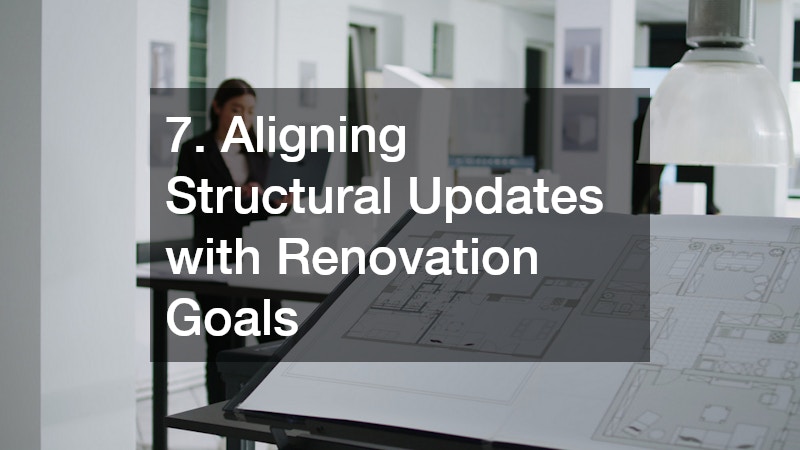
Renovation projects often involve a combination of structural changes and aesthetic updates. Ensuring these elements align is critical for achieving a cohesive final result.
Important steps include:
- Reviewing structural limitations before finalizing design plans
- Ensuring new layouts integrate smoothly with existing spaces
- Verifying that mechanical systems support updated room configurations
- Planning for transitions between old and new construction areas
A home remodel should be approached as a unified project rather than a series of isolated updates. Similarly, home additions must be designed to complement the existing structure in both scale and style.
Proper coordination prevents issues such as uneven flooring transitions, mismatched finishes, or inefficient space usage.
8. Integrating Built-In Solutions for Better Space Efficiency
Built-in features enhance both functionality and aesthetics, especially in high-use areas like kitchens and living rooms. When planned correctly, they can significantly improve storage and organization by making every inch of available space intentional rather than wasted. Unlike standalone furniture, built-ins are designed to work with the architecture of the home, which creates a more cohesive and streamlined appearance while also improving day-to-day usability.
Effective strategies include:
- Designing storage around daily usage patterns. Storage should reflect how people actually live in the space, not just how it looks on paper. Frequently used items should be placed at accessible heights, while seasonal or rarely used items can be stored in higher or deeper compartments. In kitchens, this might mean placing cookware near cooking zones and dishware near cleaning areas, while in living spaces it could involve designing shelving around entertainment systems or reading habits.
- Incorporating hidden compartments for cleaner aesthetics. Concealed storage helps reduce visual clutter and keeps living spaces looking organized even during busy daily use. Hidden drawers, toe-kick storage, and panel-integrated cabinets can provide additional capacity without disrupting the design flow. These features are especially useful in open-concept layouts where visual simplicity is important across multiple connected spaces.
- Matching built-ins to existing architectural details. Built-in features should feel like a natural extension of the home rather than an add-on. This involves aligning trim profiles, cabinet finishes, and proportions with existing molding, ceiling lines, and window placements. When done correctly, built-ins blend seamlessly into the structure and enhance the overall architectural character rather than competing with it.
- Maximizing vertical space for improved efficiency. Many homes underutilize vertical areas, which can be transformed into valuable storage opportunities. Extending cabinetry closer to the ceiling, adding tall shelving units, or incorporating stacked storage systems allows homeowners to significantly increase capacity without expanding the footprint of the room. This approach is particularly useful in smaller homes or compact rooms where floor space is limited.
High-quality kitchen cabinetry plays a central role in achieving these goals by providing the structural foundation for efficient and attractive storage solutions. Custom solutions allow homeowners to tailor storage to specific needs, such as pull-out pantry systems, specialized utensil organizers, or deep drawers for heavy cookware, while maintaining design consistency throughout the space. The ability to customize dimensions and internal configurations ensures that no storage potential is wasted.
When incorporated into home construction, built-ins can be seamlessly integrated into walls, floors, or structural elements, reducing clutter and improving flow throughout the home. Instead of appearing as separate furniture pieces, they become part of the architecture itself. This integration allows for cleaner sightlines, more efficient use of space, and a more polished overall design that feels intentional from room to room.
9. Improving Energy Efficiency Through Smart Design Integration
Energy efficiency is increasingly important in modern home design, not only because of rising utility costs but also due to growing expectations for sustainable, high-performance living spaces. Integrating smart systems during construction or renovation allows homeowners to control energy use more precisely, reduce waste, and create more consistent indoor comfort throughout the year. When these systems are planned early rather than added later, they can be fully embedded into the home’s infrastructure for maximum effectiveness.
Key considerations include:
- Automating lighting and window systems for optimal energy use. Smart automation allows homeowners to schedule lighting based on occupancy patterns or time of day, ensuring that electricity is not wasted in unused rooms. Sensors can also adjust brightness levels based on natural daylight, reducing unnecessary energy consumption while maintaining comfort. When lighting and window controls are connected, the home can respond dynamically to changing conditions throughout the day.
- Selecting materials with strong insulation properties. High-quality insulation in walls, ceilings, and flooring plays a major role in maintaining stable indoor temperatures. Energy-efficient windows with advanced coatings help reduce heat transfer, keeping interiors cooler in the summer and warmer in the winter. Even roofing materials can contribute to overall thermal performance by reflecting heat or improving ventilation in attic spaces.
- Positioning windows to maximize natural light without overheating spaces. Proper window placement can significantly reduce the need for artificial lighting during daylight hours, lowering energy consumption. However, without careful planning, excessive sunlight can lead to overheating and increased cooling costs. Strategic placement, combined with architectural features such as overhangs or shading elements, helps balance natural light with temperature control.
- Planning systems that allow future technology upgrades. Energy-efficient homes benefit from infrastructure that can evolve with new technologies over time. Installing expandable electrical systems, additional conduit pathways, and flexible smart home hubs ensures that future upgrades can be added without major disruption. This forward-thinking approach prevents the need for costly renovations when new energy-saving technologies become available.
Using motorized blinds alongside advanced shading solutions helps regulate indoor temperatures more effectively by automatically adjusting to sunlight conditions throughout the day. These systems can reduce heat gain during peak sunlight hours while still allowing natural light when it is beneficial. This reduces reliance on heating and cooling systems, leading to lower energy consumption and improved comfort, particularly in larger rooms or spaces with extensive window coverage.
Traditional shades can also contribute to insulation when selected with energy efficiency in mind, especially in climates with extreme temperature variations. Well-fitted shades help reduce drafts around windows and create an additional barrier against heat loss or gain. When combined with modern automation systems, they provide a flexible and cost-effective layer of thermal control that enhances overall home efficiency throughout the year.
10. Finalizing Projects With Precision and Attention to Detail
The final stage of any construction or renovation project determines the overall quality of the result. This phase requires careful inspection and coordination among all involved professionals.
Key final steps include:
- Conducting thorough walkthroughs of all completed spaces
- Addressing minor imperfections or inconsistencies
- Ensuring all surfaces meet agreed-upon standards
- Verifying that all systems function as intended
Professional painting services are often responsible for final touch-ups that bring a project together visually. Attention to detail at this stage ensures a polished and cohesive appearance throughout the home.
Experienced local painters play an important role in correcting small imperfections and ensuring color consistency across all surfaces. Their work often provides the final layer of refinement that completes the project.
Conclusion
Successful home projects depend on more than just quality materials or skilled labor. They require thoughtful coordination between design, construction, and finishing teams from the earliest planning stages through final inspection. When each phase is aligned with a clear vision, the result is a home that is both functional and visually cohesive.
By integrating planning, craftsmanship, and attention to detail throughout the process, homeowners can achieve spaces that not only meet immediate needs but also deliver long-term value and comfort.