How to Choose Reliable Residential Roofers
Choosing the right residential roofers is a critical decision that can affect the longevity and safety of your home. It is important to find roofers who will provide high-quality service and use durable materials, as your home’s roof is one of its most essential components.
What Qualities Should You Look For in a Residential Roofer?
Experience and Credentials
When selecting a roofer, experience and credentials are vital indicators of their reliability. Look for roofers with a proven track record in the industry, as they are more likely to understand the nuances of residential roofing projects.
Credentials, such as certifications from roofing manufacturers, show that a roofer is recognized for their expertise and quality work. Additionally, confirm that the roofer has the necessary licenses that comply with local regulations.
It can be beneficial to choose roofers who have been in the business for a long time, as they bring a wealth of practical experience. A roofer with a good reputation and deep industry knowledge often demonstrates their ability to handle various situations effectively.
Quality of Materials and Workmanship
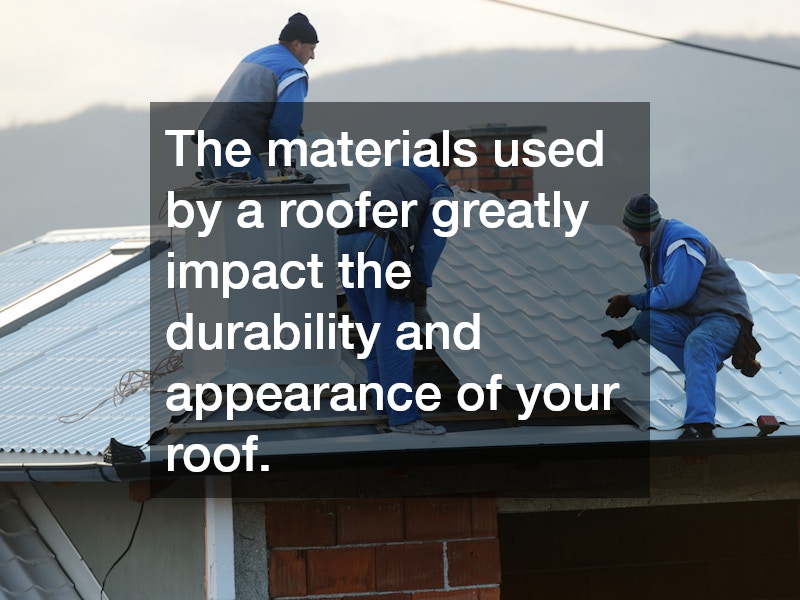
The materials used by a roofer greatly impact the durability and appearance of your roof. Ensure the roofer uses high-quality materials that can withstand different weather conditions.
Good workmanship is just as important as the materials themselves, as even the best materials can fail if not installed correctly. Experienced roofers ensure that every aspect of the installation process is thoroughly conducted.
A reliable roofer commits to using top-notch materials and delivering exceptional workmanship, ensuring your investment is well-protected. This commitment reflects the roofer’s understanding of the significance of building long-term client relationships.
How to Verify the Credibility of a Roofer?
Checking References and Reviews
One of the most effective ways to assess a roofer’s reliability is by checking their references and reviews. Contact past clients to gather firsthand information about their experiences with the roofing contractor.
Online reviews on trusted sites provide insights into a roofer’s professionalism, timeliness, and quality of work. Pay attention to recurring themes or issues mentioned by multiple reviewers, as these can indicate the roofer’s strengths and weaknesses.
Reliable roofers often have glowing reviews that affirm their commitment to customer satisfaction and quality service. The feedback from previous clients is invaluable in making an informed decision.
Licensing and Insurance Verification
Verifying that a roofer holds the appropriate licenses ensures they meet local regulations and industry standards. Licensed roofers are typically knowledgeable about building codes and safety requirements, which prevents future legal issues.
Insurance is equally important, as it protects you from liability in case of accidents or damages during the project. Always ask to see a roofer’s proof of insurance and verify with the insurer if necessary.
In instances where unforeseen events occur, knowing that your roofer is licensed and insured provides peace of mind. This verification step is crucial to avoid potential financial implications arising from unlicensed or uninsured work.
What Should You Include in a Roofing Contract?
Key Components of a Roofing Contract
A detailed roofing contract should outline the scope of work, timeline, costs, and materials to be used. Specific and clear contracts help prevent misunderstandings between you and the roofing contractor.
It is essential to also include terms for payment, including the payment schedule and final amount due upon project completion. Protect yourself by having a comprehensive contract that is reviewed and understood before signing.
Always ensure that the contract specifies any additional fees for unforeseen work that may arise during the project. This detailed documentation safeguards both parties and serves as a reference point throughout the project’s duration.
Understanding Warranties and Guarantees
Warranties and guarantees are crucial aspects of any roofing contract, offering protection against defects in materials and workmanship. Ensure the contract clearly explains the duration of the warranty and any conditions that may apply.
Your contractor should provide information on both manufacturer warranties for materials and workmanship guarantees for the installation. Clarifying these details in advance helps avoid disputes after the project is completed.
Understanding the warranties and guarantees offered reflects a homeowner’s due diligence in selecting a reliable roofer. They demonstrate the roofer’s confidence in their services and commitment to customer satisfaction.
Choosing reliable residential roofers is an investment in the long-term safety and value of your home. Comprehensive research into a roofer’s experience, materials, and credibility can significantly ease this process.
With a clear understanding of contracts, warranties, and guarantees, homeowners can make informed decisions. Such diligence not only ensures the successful completion of roofing projects but also calls attention to the importance of engaging professional services in home maintenance endeavors.