Property Maintenance Essentials
Home improvement projects can feel overwhelming, especially when multiple systems, materials, and professionals are involved. Whether you are upgrading for comfort, efficiency, or resale value, the quality of the decisions you make early on has a lasting impact. Poor planning often leads to higher costs, delays, and results that fall short of expectations, while informed choices create durable, functional, and visually appealing outcomes.
This guide is designed to help homeowners navigate those decisions with confidence. Instead of vague advice or surface-level tips, each section focuses on practical strategies you can apply before, during, and after a project. By understanding what quality work looks like and how to evaluate it, you can protect your investment and ensure your home improvements truly deliver long-term value.
How to Evaluate Credentials, Licensing, and Safety Standards

Hiring an electrical contractor is one of the most critical decisions in any home project because electrical work directly affects safety, functionality, and code compliance. Before any work begins, homeowners should verify that the professional holds valid licenses for their jurisdiction. Licensing requirements vary by region, but they generally confirm that the contractor has met minimum training, testing, and experience standards. Skipping this step can expose you to safety hazards and costly corrections later.
Beyond licensing, safety standards, and insurance coverage are equally important. A qualified professional should carry both liability insurance and workers’ compensation, protecting you from financial responsibility if something goes wrong. It’s also wise to ask how they stay current with evolving codes and technologies. Reputable professionals invest in continuing education and follow strict safety protocols on every job.
When evaluating candidates, ask targeted questions that reveal how seriously they take their work:
- How do you verify compliance with current building codes?
- What safety procedures do you follow on residential job sites?
- Can you provide documentation for licensing and insurance?
- How do you handle unexpected issues discovered mid-project?
After gathering answers, take time to compare them carefully rather than choosing based on price alone. A lower estimate may reflect shortcuts in materials or safety practices. By prioritizing credentials and standards, you greatly reduce the risk of future problems and ensure the work supports your home’s long-term reliability.
Ensuring Precision, Fit, and Long-Term Performance in Home Installations
Successful blind installation depends on far more than aesthetics. Precision measurements and proper mounting are crucial in determining whether the final result operates smoothly and lasts for years. Homeowners should understand that even minor measurement errors can lead to gaps, uneven alignment, or difficulty opening and closing the blinds. Taking time to confirm dimensions before installation begins helps prevent these issues.
Material choice also plays a significant role in long-term performance. Different environments, such as kitchens or bathrooms, require materials that resist moisture and temperature changes. Hardware quality matters just as much as the blinds themselves, as weak brackets or low-grade components can fail prematurely. Discussing these details in advance helps align expectations with real-world use.
Before final approval, homeowners should confirm several key factors:
- Measurements were taken from multiple points, not just one
- Mounting surfaces are level and structurally sound
- Hardware is appropriate for the weight and style selected
- The operation has been tested multiple times
Once installation is complete, inspect the work carefully rather than assuming everything is correct. Smooth operation, consistent alignment, and secure mounting are signs of quality workmanship. Addressing concerns immediately is far easier than correcting problems after weeks or months of use.
Diagnosing Problems Early to Prevent Costly System Failures
When it comes to climate control, early diagnosis is essential, and working with a reliable local ac repair provider can prevent minor issues from becoming major expenses. Many homeowners overlook small warning signs such as unusual noises, inconsistent cooling, or rising energy bills. These symptoms often indicate underlying problems that worsen over time if ignored.
Documenting issues before calling for service helps ensure accurate diagnosis. Take note of when problems occur, how long they last, and whether they correlate with specific conditions like high outdoor temperatures. This information allows technicians to identify root causes more efficiently and reduces the likelihood of unnecessary repairs.
Common early warning signs include:
- Uneven temperatures between rooms
- Short cycling or frequent system restarts
- Weak airflow from vents
- Unusual odors or sounds during operation
Addressing these signs promptly not only extends system lifespan but also improves comfort and efficiency. Proactive maintenance and timely repairs are almost always less expensive than emergency replacements, making early intervention a smart financial decision.
Comparing Materials, Warranties, and Workmanship for Exterior Projects

Choosing among different roofers requires more than comparing quotes. Roofing materials vary widely in durability, appearance, and suitability for different climates. Understanding these differences helps homeowners select options that perform well over time rather than simply looking good initially. Material choice should align with local weather patterns, roof slope, and long-term maintenance expectations.
Warranties are another critical factor that is often misunderstood. Manufacturer warranties typically cover material defects, while workmanship warranties cover installation errors. Both matter, but they serve different purposes. A strong workmanship warranty reflects confidence in installation quality and protects you if issues arise due to improper techniques.
When evaluating proposals, homeowners should look for:
- Clear descriptions of materials and installation methods
- Written warranties with defined coverage periods
- Detailed timelines and cleanup responsibilities
- Evidence of previous similar projects
After reviewing this information, consider how transparent and responsive each professional is during the planning phase. Clear communication often reflects the quality you can expect throughout the project. Investing time upfront leads to better outcomes and fewer surprises later.
Preventing Water Damage Through Routine Inspection and Maintenance
Effective gutter repair plays a major role in protecting your home from water damage. Gutters that are clogged, misaligned, or damaged can cause water to overflow and seep into foundations, siding, or basements. Regular inspections help identify problems before they lead to structural damage or mold growth.
Homeowners should understand that many gutter issues develop gradually. Small leaks, loose fasteners, or minor sagging often go unnoticed until a major storm exposes the problem. Establishing a routine inspection schedule, especially after heavy rainfall or seasonal changes, significantly reduces risk.
A basic maintenance checklist may include:
- Clearing debris from channels and downspouts
- Checking for proper slope and alignment
- Inspecting joints and seams for leaks
- Ensuring downspouts direct water away from the foundation
Following inspections, address issues promptly rather than postponing repairs. Small fixes are typically inexpensive and prevent much higher costs down the line. Consistent attention keeps water moving where it belongs and protects your home’s structural integrity.
Aligning Design Choices With Function, Budget, and Lifestyle Needs
Working with an interior decorator can help homeowners translate ideas into cohesive, livable spaces. However, successful collaboration depends on clear communication about goals, constraints, and priorities. A beautiful design that doesn’t suit daily routines or budget realities quickly becomes frustrating rather than enjoyable.
Functionality should guide every design decision. This includes traffic flow, storage needs, lighting requirements, and durability. A professional should ask detailed questions about how each space is used and propose solutions that balance aesthetics with practicality. Homeowners should feel comfortable pushing back if suggestions don’t align with their lifestyle.
Before finalizing plans, consider discussing:
- How materials will hold up to daily use
- Which elements are worth investing in versus saving on
- How design choices affect long-term maintenance
- Whether the space can adapt to future needs
Once decisions are made, review plans carefully to ensure they reflect your priorities. Thoughtful collaboration leads to spaces that not only look appealing but also support everyday life comfortably and efficiently.
Maximizing Comfort and Efficiency Through System Optimization
Quality havc services go beyond installation or repair and focus on optimizing system performance. Many homes have systems that are technically functional but inefficient due to improper sizing, poor airflow, or outdated controls. Addressing these issues can dramatically improve comfort and reduce energy costs.
System sizing is especially important. Oversized units cycle on and off frequently, while undersized units struggle to maintain temperature. Oversized units can rapidly condition a space, causing them to “cycle” or turn on and off frequently. While this may initially seem effective, this frequent cycling actually prevents the unit from running long enough to properly dehumidify the space. Moreover, it leads to inefficient energy use and can cause undue wear on the system, potentially shortening its lifespan. On the other hand, undersized units find it challenging to reach and maintain the desired temperature. They must run continuously or for extended periods, which can be inefficient and strain the system. This continual operation not only increases energy consumption but also may lead to accelerated wear and tear on the unit.
Both scenarios reduce efficiency and shorten equipment lifespan. A professional assessment that includes load calculations ensures the system matches the home’s specific requirements.
Optimization efforts may include:
- Sealing and balancing ductwork
- Installing programmable or smart thermostats
- Improving insulation around system components
- Scheduling regular maintenance checks
After optimization, homeowners often notice more consistent temperatures and quieter operation. These improvements enhance daily comfort while lowering long-term operating expenses, making system optimization a worthwhile investment.
Preparing Surfaces Correctly for Long-Lasting, High-Performance Finishes
Installing an epoxy floor successfully depends heavily on preparation. Surface condition, moisture levels, and environmental factors all affect adhesion and durability. Skipping or rushing preparation steps often leads to peeling, bubbling, or uneven finishes that require costly rework.
Concrete surfaces must be clean, dry, and properly profiled before application. This process may include grinding, repairing cracks, and testing for moisture vapor transmission. Environmental conditions such as temperature and humidity also influence curing time and final strength, making timing an important consideration.
Key preparation steps typically involve:
- Thorough cleaning and degreasing
- Repairing surface imperfections
- Testing moisture levels
- Allowing adequate curing time between coats
After installation, proper maintenance helps preserve appearance and performance. Avoid harsh chemicals and follow recommended cleaning practices. When installed and maintained correctly, these finishes provide long-lasting durability and visual appeal.
Planning Exterior Improvements for Durability and Visual Impact
Hiring paving companies requires careful evaluation of both technical expertise and design considerations. Exterior surfaces must handle traffic loads, weather exposure, and drainage challenges while also contributing to curb appeal. Planning begins with understanding site conditions, including soil stability and slope.
Base preparation is one of the most important yet overlooked aspects of paving projects. Without a properly compacted base, even high-quality materials can fail prematurely. Homeowners should ensure that contractors explain how they address drainage, expansion, and long-term durability.
Important planning questions include:
- How will water be directed away from surfaces?
- What materials are best suited for the climate?
- How thick will the base and surface layers be?
- What maintenance will be required over time?
Once the project is complete, inspect the finished work for smooth transitions, proper grading, and clean edges. Well-planned exterior improvements enhance both function and appearance, adding lasting value to the property.
Improving Energy Efficiency Through Strategic Upgrades
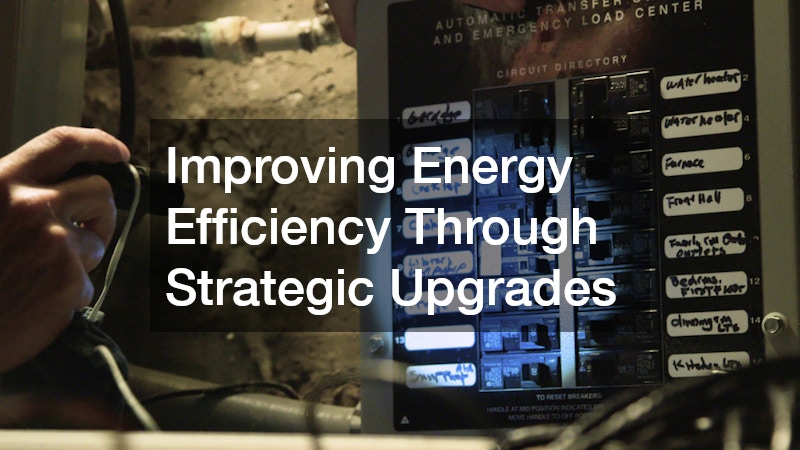
Working with experienced insulation contractors can significantly improve a home’s energy efficiency and comfort. Insulation affects temperature regulation, moisture control, and even indoor air quality. Many homes, especially older ones, have inadequate or uneven insulation coverage that leads to energy loss.
A thorough assessment identifies priority areas such as attics, walls, and crawl spaces. Different materials offer varying benefits, including thermal resistance, sound reduction, and moisture control. Understanding these options helps homeowners choose solutions that match their goals and climate conditions.
Before proceeding, homeowners should discuss:
- Expected energy savings and payback periods
- Installation methods and potential disruptions
- Compatibility with existing structures
- Long-term maintenance requirements
After upgrades, homeowners often experience more consistent indoor temperatures and lower utility bills. Strategic improvements provide ongoing benefits and contribute to a more comfortable, efficient living environment.
Successful home improvement projects are built on informed decisions, careful planning, and attention to detail. By understanding what quality work entails and asking the right questions, homeowners can avoid common pitfalls and achieve results that last. Each project, no matter the size, benefits from a thoughtful approach that prioritizes safety, performance, and long-term value.
Ultimately, the most rewarding improvements are those that enhance daily life while protecting your investment. With the strategies outlined in this guide, you are better equipped to navigate complex choices, work effectively with professionals, and create a home that meets your needs today and in the future.