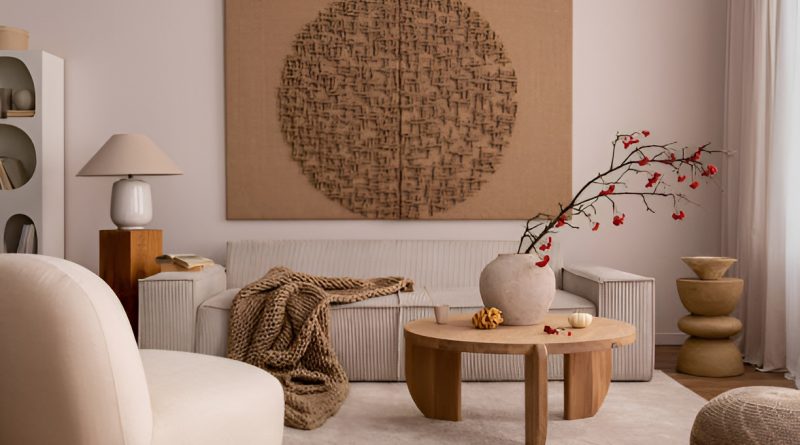
How to Design a Japandi Living Room That Feels Calm and Cozy
- Balance simplicity and warmth: Japandi combines Japanese minimalism with Scandinavian coziness for a serene, functional space.
- Use natural materials: Incorporate wood, textiles, stone, ceramics, and plants to add texture and connect with nature.
- Choose a muted color palette: Stick to neutral bases with soft earthy accents and minimal contrasting tones for a calming effect.
- Prioritize clean, functional furniture: Low-profile, simple pieces create an uncluttered, comfortable environment.
- Layer textures and lighting thoughtfully: Use soft throws, cushions, rugs, and layered ambient lighting to enhance coziness.
- Maintain mindfulness and decluttering: Regularly remove unnecessary items and introduce decor intentionally to preserve tranquility.
- Add personal and seasonal touches subtly: Select a few meaningful objects or rotate textiles and plants seasonally without disrupting minimalism.
Designing a living room that feels both calming and cozy can be a challenge, but the Japandi style makes it easier. Japandi combines the sleek minimalism of Japanese design with the warmth and comfort of Scandinavian interiors. The result is a living space that’s serene, functional, and stylish. In this guide, we’ll walk you through everything you need to know to create a Japandi living room that feels inviting while staying uncluttered.
Why Choose a Japandi Living Room?
Choosing a Japandi living room isn’t just about aesthetics. It’s about creating a space that improves your quality of life. Some benefits include:
- A stress-free environment thanks to minimal clutter.
- Timeless design that doesn’t feel dated quickly.
- Easy maintenance since minimalism reduces excess items.
- Enhanced comfort through the use of natural materials and textures.
If you’re someone who wants a serene retreat in your home, Japandi design might be the perfect fit.
1. Mix Japanese and Scandinavian Styles Seamlessly
Blending Japanese and Scandinavian elements is at the heart of Japandi design. Both styles share an appreciation for simplicity and functionality, but they bring complementary strengths to the table.
- Japanese influence: Emphasize open spaces, uncluttered layouts, and low-profile furniture. Incorporate natural woods like oak or bamboo, and use clean lines to create a sense of calm and order.
- Scandinavian influence: Focus on warmth and well-being through cozy textiles, soft lighting, and functional pieces that make the space livable and inviting.
To merge these styles effectively, balance structure with softness. For example, pair a simple, low sofa with a rounded wooden coffee table, layer in soft throws and cushions, and add a few artisanal or handcrafted items for character. The goal is harmony—each element should contribute to a serene, comfortable atmosphere without overwhelming the space.
2. Choose the Right Colors for Your Japandi Living Room
Color is a key factor in setting the mood of your living room. Japandi design typically uses muted, natural tones:
- Neutral bases: Whites, beiges, and soft grays for walls and large furniture.
- Earthy accents: Warm browns, clay tones, and soft greens for decor and textiles.
- Contrasts: Minimal pops of black or dark blue for balance without overwhelming the space.
Tip: Stick to a three-color palette to keep the room cohesive and calm.
3. Know What Furniture Works Best in a Japandi Living Room
Furniture in a Japandi living room should be simple, functional, and comfortable. Consider:
- Low-profile sofas in natural fabrics like linen or cotton.
- Wooden coffee tables with clean lines and a natural finish.
- Minimalist shelving that displays only a few meaningful items.
- Scandinavian-inspired chairs with subtle curves for a cozy touch.
Remember: less is more. Avoid overcrowding your living room with too many pieces.
4. Incorporate Natural Materials
Natural materials are essential in creating warmth and texture in a Japandi living room. Focus on:
- Wood: Oak, maple, or walnut for furniture and flooring.
- Textiles: Linen curtains, wool rugs, and cotton throws.
- Stone and ceramics: Minimal decorative objects or planters.
- Plants: Simple greenery like bonsai trees or small potted plants.
These elements not only make your living room inviting but also bring a sense of nature indoors.
5. Arrange a Japandi Living Room Layout
A calm and cozy Japandi living room depends on an intuitive layout. Consider:
- Create a focal point: Usually a sofa or a minimalist media console.
- Encourage flow: Leave enough space between furniture pieces to avoid clutter.
- Balance symmetry and asymmetry: Symmetry provides order; asymmetry keeps it dynamic.
- Use rugs to define spaces: A soft neutral rug can anchor the seating area.
A thoughtful layout makes the space functional without sacrificing serenity.
6. Choose the Right Lighting
Lighting is essential for atmosphere. Japandi living rooms favor soft, natural, and layered lighting:
- Natural light: Keep windows unobstructed for maximum daylight.
- Ambient lighting: Use warm-toned ceiling lights or recessed lighting.
- Accent lighting: Floor lamps, table lamps, and wall sconces add coziness.
- Candles: Minimalist candles create soft, flickering warmth.
Lighting should highlight the room’s simplicity while creating a welcoming glow.
7. Decorate Your Japandi Living Room Without Cluttering
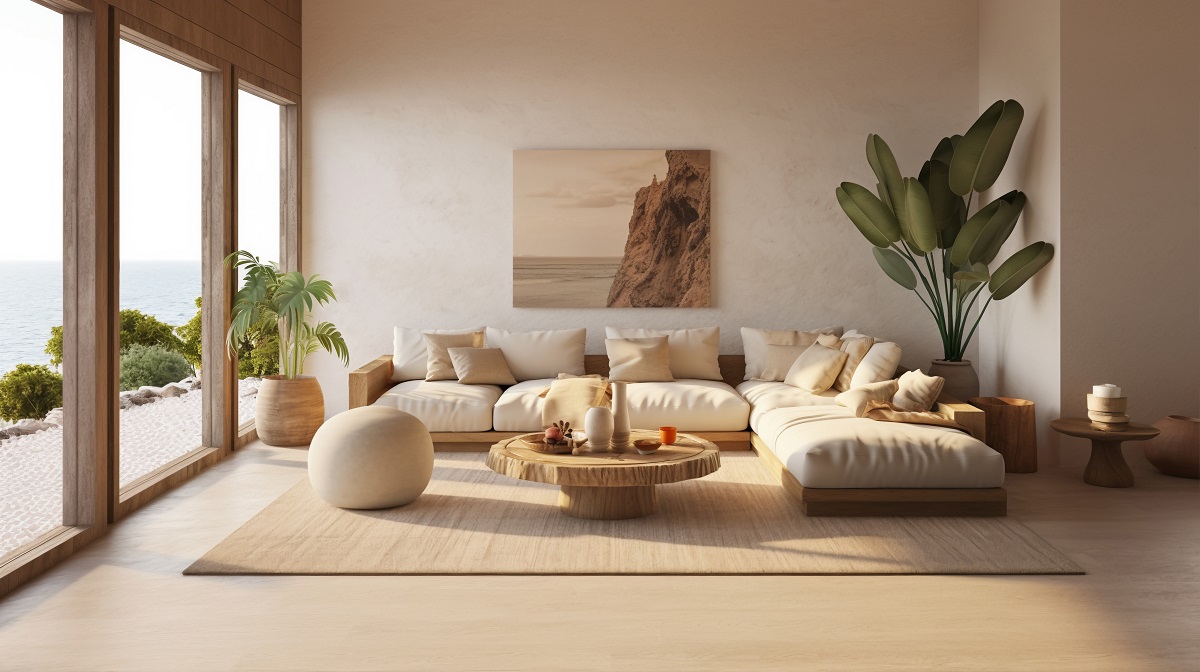
Japandi living rooms thrive on minimalism, but you can still add personality:
- Art: One or two carefully chosen pieces, preferably abstract or nature-inspired.
- Textiles: Throw pillows, blankets, or rugs in subtle textures and colors.
- Plants: Keep arrangements simple and symmetrical.
- Decorative objects: Choose pieces with function, like a ceramic vase or wooden tray.
Avoid over-decorating—every item should have meaning or purpose.
8. Maintain Calmness and Coziness Over Time
A Japandi living room is more than a design style; it’s a lifestyle rooted in simplicity, balance, and mindfulness. To maintain calm and coziness over time:
- Regular decluttering: Keep only items that are functional or meaningful. Every piece should have a purpose, which helps maintain tranquility.
- Refresh with textiles: Rotate cushions, throws, and rugs with the seasons to keep the room feeling fresh and comfortable.
- Care for natural materials: Maintain wooden surfaces, clean wool or cotton textiles, and nurture indoor plants to preserve the connection with nature.
- Thoughtful decor additions: Introduce new objects slowly, favoring handcrafted or artisanal pieces that add warmth without cluttering the space.
- Optimize light and nature: Maximize natural light, use mirrors to reflect brightness, and include greenery to sustain a soothing, organic environment.
Following these principles, your living room remains a peaceful, inviting sanctuary that reflects the balance and serenity central to Japandi living.
9. Add Personal Touches Without Breaking Minimalism
Even in a minimalist space, personal touches matter:
- Family photos: Choose black-and-white prints in simple frames.
- Books: Keep a small stack on a coffee table or shelf.
- Travel souvenirs: Only display a few meaningful items at a time.
- Handmade items: Pottery, textiles, or art that adds personality and texture.
The goal is to make the space feel lived-in yet uncluttered.
10. Bring in Seasonal Changes Subtly
Seasonal touches can refresh your Japandi living room:
- Spring/Summer: Light linen throws, airy curtains, fresh flowers.
- Fall/Winter: Wool blankets, earthy cushions, candles, and dried flowers.
- Natural accents: Seasonal plants or branches in vases.
These subtle changes keep your space cozy without overwhelming the minimalist style.
Common Mistakes to Avoid in a Japandi Living Room
Even with a clear style, it’s easy to slip up. Watch out for:
- Overcrowding with furniture or decor.
- Using too many bright or clashing colors.
- Ignoring the importance of texture.
- Neglecting lighting or natural light.
- Failing to balance Japanese minimalism with Scandinavian warmth.
Avoiding these mistakes ensures your living room remains calm, functional, and stylish.
Wrapping Up
Creating a Japandi living room is about more than trends—it’s about cultivating a space that feels calm, cozy, and intentional. By focusing on natural materials, thoughtful layouts, muted color palettes, and minimal decor, you can craft a living room that is both functional and beautiful. Remember, the essence of Japandi lies in balance: simplicity meets warmth, and elegance meets comfort. With the right approach, your living room can become a serene haven in the heart of your home.