
How Professional Contractors Can Help You Create Your Ideal Outdoor Space
Creating an inviting outdoor space involves more than selecting attractive furniture or planting a few flowers. A well-designed property brings together comfortable gathering areas, practical walkways, privacy features, recreational amenities, and landscaping that complements the home. When homeowners approach these projects with a coordinated plan, they can avoid unnecessary expenses and make better use of their available outdoor space.
Professional contractors can help homeowners turn their ideas into realistic improvements by evaluating existing conditions, recommending suitable materials, and coordinating installation requirements. Their involvement can be especially helpful when multiple projects require changes to drainage, utilities, or existing structures. From constructing entertainment areas to maintaining outdoor surfaces during winter, different specialists contribute to the long-term enjoyment of a property. Understanding how these services work together can help homeowners establish priorities, develop reasonable budgets, and create outdoor environments that accommodate their lifestyles throughout the year.
Establishing Comfortable Outdoor Gathering Areas
A patio often serves as the foundation of an outdoor entertainment area. It provides a designated location for dining, relaxing, and spending time with family or guests. Choosing the right location requires consideration of sunlight, accessibility, surrounding landscaping, and the relationship between the patio and the home’s interior.
Experienced patio contractors can evaluate the available space and recommend materials that suit the intended use. Concrete, natural stone, and interlocking pavers offer different appearances, maintenance requirements, and installation considerations. Homeowners who frequently entertain may prefer a larger surface with separate dining and seating areas, while smaller households might benefit from a compact patio with integrated benches or planters.
Proper preparation is particularly important because outdoor surfaces experience changing temperatures, rainfall, and regular foot traffic. Contractors can assess grading requirements and establish a suitable foundation before installing the finished surface. Addressing drainage during construction can help prevent water from collecting near the home or flowing toward neighboring features.
Additional elements, such as pergolas, outdoor kitchens, lighting, and shade structures, can enhance the usability of a patio. Discussing these features during the initial planning stage allows homeowners to identify electrical, plumbing, and structural requirements before construction begins. Even if certain amenities will be installed later, preparing for them in advance can reduce the likelihood of expensive modifications.

Expanding Usable Space With Custom Decks
Decks offer an alternative to ground-level patios, particularly for properties with uneven terrain or elevated entrances. They can establish a convenient connection between interior living spaces and the backyard while providing additional room for outdoor activities. Depending on the property’s layout, a deck may function as an extension of the kitchen, a private retreat outside a bedroom, or a central gathering place overlooking the landscape.
Professional deck builders can help homeowners determine which configurations are appropriate for their property’s structural conditions and intended use. Design decisions may involve the height of the platform, placement of stairs, railing options, and access to surrounding outdoor areas. Contractors can also explain how the proposed structure relates to applicable building requirements and permit procedures.
Material selection influences both the appearance and ongoing maintenance of a deck. Natural wood provides a traditional finish but generally requires periodic cleaning and protective treatments. Composite decking offers another option for homeowners who prefer materials with different maintenance requirements.
A custom deck can also improve circulation throughout a backyard by creating direct pathways between the house and other amenities. Stairs leading toward a garden, pool, or patio encourage convenient movement between spaces. Built-in seating, privacy screens, and strategically positioned lighting can further improve comfort. Coordinating these elements before construction begins helps ensure the completed structure accommodates daily routines without restricting access to other outdoor features or limiting opportunities for future improvements.
Creating Protected Spaces for Outdoor Relaxation
Outdoor living areas become more versatile when homeowners can enjoy fresh air without constant exposure to insects, intense sunlight, or unpredictable weather. The right design depends on the existing architecture, local climate, and activities homeowners want to accommodate.
Installing porch enclosures can make an existing outdoor area more comfortable and functional. Depending on the design, an enclosure may incorporate screened panels, windows, doors, or other materials that provide protection from environmental conditions. Contractors can evaluate whether the existing porch has suitable structural support and identify modifications that may be necessary before installation.
Homeowners who primarily want protection from insects may find that a screen room offers an appealing solution. These spaces allow airflow while creating a physical barrier against many common outdoor pests. They can provide a comfortable setting for family meals, reading, working remotely, or enjoying a quiet evening without completely separating occupants from the surrounding landscape.
Ventilation, roof design, and access are important considerations when planning either type of improvement. An enclosure that receives substantial afternoon sunlight may benefit from additional shading or carefully positioned openings. Contractors can also evaluate how rainwater will drain from the structure and whether flooring materials are suitable for the expected conditions.
Selecting finishes that complement existing windows, siding, and exterior colors helps maintain visual consistency. By integrating protected areas with adjacent patios or decks, homeowners can establish a flexible arrangement that supports different activities as weather conditions change.

Enhancing Privacy and Defining Property Boundaries
Privacy can significantly influence how comfortable homeowners feel while using their outdoor spaces. Fencing can help establish a greater sense of separation while defining boundaries and creating designated areas for pets, gardens, or recreational activities.
Working with local fencing companies allows homeowners to explore materials and configurations that address their specific priorities. Wood fencing may provide a traditional appearance and substantial visual coverage, while vinyl, aluminum, and other materials offer alternative design and maintenance characteristics. The appropriate choice depends on the desired level of privacy, surrounding architecture, and available budget.
Before installation, homeowners should confirm property boundaries and discuss applicable restrictions with their contractor. Fence height, placement, and design may be subject to local requirements or neighborhood association rules. Identifying these considerations early can help avoid disputes and reduce the possibility of having to relocate or modify a completed fence.
Gate placement is another important part of creating a functional outdoor environment. Gates should provide convenient access for residents, maintenance equipment, and contractors who may need to reach different parts of the property. Wider openings can be particularly useful when future projects involve bringing construction materials or machinery into the backyard.
Fencing does not have to surround every outdoor feature to be effective. Selective privacy panels can help separate seating areas from utility spaces, conceal equipment, or create visual boundaries around gardens.
Incorporating Features for Recreation and Wellness
Recreational amenities can turn an ordinary backyard into a destination for exercise, relaxation, and social gatherings. Swimming areas and spa features offer homeowners different ways to enjoy their properties, but their installation requires more planning than simply selecting a preferred design. Available space, access, utilities, and ongoing maintenance should influence decisions from the beginning.
Homeowners comparing in ground swimming pool contractors should consider how a proposed pool will fit within the broader backyard layout. A swimming pool requires adequate surrounding space for safe movement, equipment access, and routine maintenance. Contractors can evaluate site conditions and discuss pool dimensions, installation methods, and the placement of associated equipment.
Planning should also account for appropriate safety barriers and other protective measures required by local regulations. Coordinating pool construction with fencing, landscaping, and hardscaping can help ensure these features complement one another. Homeowners should discuss the installation sequence with their contractors so finished surfaces are not unnecessarily disturbed by later excavation or utility work.
For households interested in a smaller recreational feature, hot tubs can provide a dedicated space for relaxation. Their placement requires consideration of structural support, electrical connections, accessibility, and privacy. Professional installation guidance can help homeowners determine whether an existing patio or deck is appropriate or whether additional preparation is necessary.
Comfortable seating, convenient storage for towels, and suitable lighting can improve the overall experience. Establishing a practical maintenance routine also helps homeowners account for ongoing responsibilities, including cleaning, equipment care, and seasonal preparation.
Improving Accessibility With Durable Outdoor Surfaces
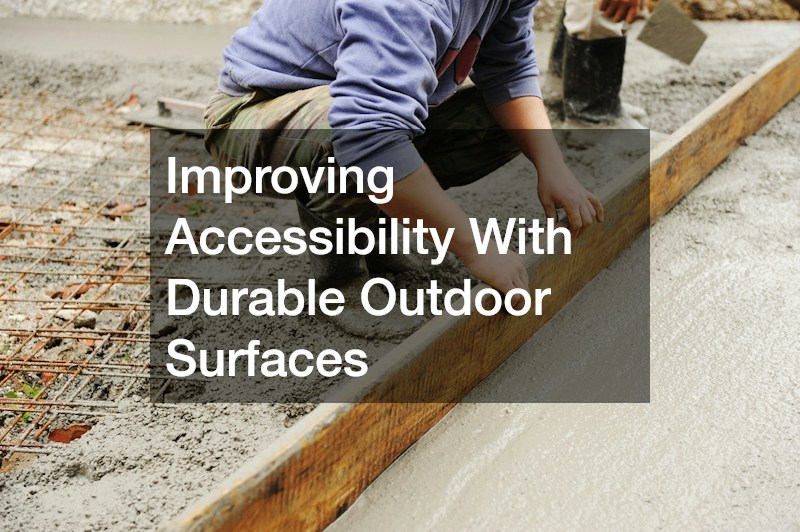
The connections between outdoor features are just as important as the features themselves. Walkways, driveways, and other hard surfaces influence how easily residents and guests can move throughout a property. Poorly planned routes may require people to cross wet grass, navigate uneven ground, or carry supplies through inconvenient areas.
Professional paving services can help homeowners establish durable surfaces that accommodate daily activities. Contractors may recommend asphalt, concrete, or decorative pavers depending on the location, expected traffic, and preferred appearance. A driveway requires different performance characteristics from a garden pathway, making it important to select materials based on their intended application.
Drainage should remain a priority when adding or replacing paved surfaces. Changes to the amount of impermeable surface on a property can affect how rainwater moves through the landscape. Contractors can consider existing slopes and drainage features when designing new installations, helping direct runoff toward appropriate locations.
Walkway dimensions and surface transitions also deserve attention. Wider paths can accommodate people carrying outdoor supplies or walking together, while carefully planned transitions can reduce unnecessary changes in elevation. Lighting along frequently used routes can improve visibility after dark and make it easier to navigate between different areas.
Coordinating paving projects with patio construction, fencing, and landscaping can create a consistent visual appearance. Repeating selected colors, textures, or patterns throughout the property helps connect separate improvements.
Managing Landscape Health and Seasonal Conditions
An attractive outdoor environment requires ongoing care long after construction is complete. Trees, shrubs, paved surfaces, and recreational features experience seasonal changes that can affect their condition and usability. Establishing a maintenance strategy alongside renovation plans helps homeowners prepare for these responsibilities and protect the improvements they have made.
Professional tree services can help homeowners evaluate mature trees before installing new structures or expanding outdoor living areas. Tree placement influences shade, privacy, and the amount of debris that collects on nearby surfaces. Qualified professionals can assess tree health and recommend appropriate pruning or other care when branches interfere with buildings, pathways, or planned construction.
Preserving healthy trees during renovation projects may require protecting root zones from excavation, soil compaction, and construction equipment. Coordinating landscaping decisions with other contractors can help reduce unnecessary damage and maintain valuable natural features.
In regions with cold winters, snow removal is another important component of exterior property maintenance. Clearing driveways, walkways, and frequently used entrances can improve accessibility during winter weather. Homeowners should discuss appropriate equipment and deicing practices with service providers, particularly when decorative paving or specialized surface materials are present.
Seasonal maintenance extends beyond winter preparation. Cleaning accumulated leaves, inspecting drainage systems, and addressing minor surface damage can help homeowners identify developing problems. Scheduling appropriate maintenance throughout the year allows outdoor features to remain functional while reducing the risk of avoidable deterioration caused by neglected conditions.
Coordinating Projects for Long-Term Outdoor Enjoyment
Creating an ideal outdoor environment rarely requires completing every improvement at once. Homeowners may find it more practical to establish a comprehensive plan and complete individual projects as their budgets and schedules allow. A phased approach provides opportunities to evaluate how each improvement affects daily activities before committing to additional changes.
Professional contractors can help identify which projects should take priority based on construction requirements and existing property conditions. Underground utility installation, drainage improvements, and major excavation typically need consideration before finished surfaces are installed.
Communication between contractors is particularly valuable when several specialists are involved. Sharing site plans, anticipated schedules, and material preferences can help different teams understand how their responsibilities relate to the overall project. Homeowners should also request clear estimates and discuss what each agreement includes, such as site preparation, debris removal, and restoration of affected areas.
Planning for future maintenance is equally important. Outdoor structures, recreational equipment, fences, and paved surfaces have different care requirements that should influence material selection and budgeting.
Ultimately, a successful outdoor renovation balances personal preferences with practical considerations. Professional guidance can help homeowners create spaces that support everyday relaxation, family gatherings, seasonal activities, and future property improvements. By approaching each project as part of a larger design, homeowners can establish an outdoor environment that remains attractive, comfortable, and useful as their needs evolve.