
Hidden Property Costs Homeowners Forget to Budget for Each Year
Buying a home is only the beginning of the financial commitment, because the true cost of ownership shows up in the maintenance bills most buyers never see coming. Beyond the mortgage, property taxes, and insurance, homes require a steady stream of seasonal repairs, equipment servicing, and system replacements that rarely make it into a monthly budget. Many of these expenses are easy to overlook until a breakdown forces an emergency call and an unplanned expense. This guide walks through the hidden costs homeowners consistently forget to plan for, so you can budget realistically and avoid financial surprises year after year.
Water Heater Maintenance and Repair Costs
Most homeowners don’t think about their water heater until the morning it stops producing hot water, and by then the repair often feels like an emergency rather than a planned expense. Tanks typically last between eight and twelve years, but sediment buildup, corroding anodes, and failing heating elements can cause problems well before that. Scheduling water heater repair at the first sign of trouble, such as rumbling noises or lukewarm water, is usually far cheaper than waiting for a full breakdown. Setting aside a small annual maintenance fund for this single appliance can prevent a much larger bill down the road.
It also helps to understand what drives the cost of these repairs up over time. Hard water, infrequent flushing, and an aging pressure relief valve are common culprits that homeowners rarely budget for.
- Annual tank flushing to reduce sediment buildup
- Anode rod replacement every three to five years
- Thermostat or heating element repairs
- Pressure relief valve testing
- Eventual full unit replacement every decade or so
Roof Inspections and Repair Needs
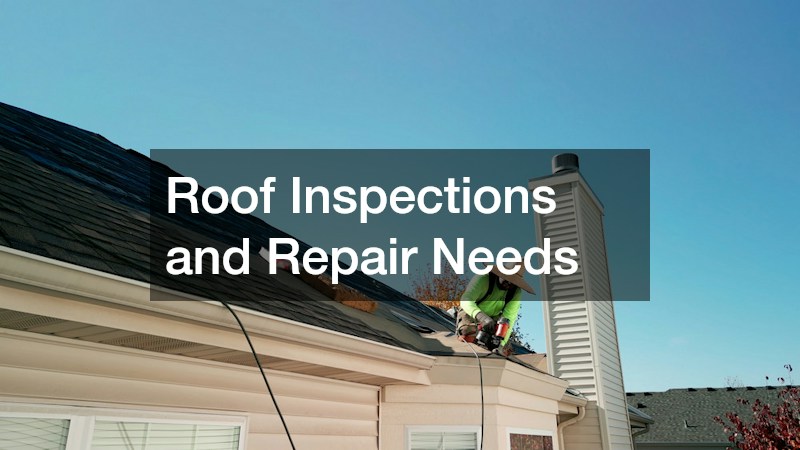
A roof is one of the most expensive systems on a home, yet many homeowners don’t think about its condition until they notice a leak or missing shingles after a storm. By then, water may have already seeped into the attic, insulation, or ceiling drywall, turning a simple repair into a much larger renovation project. Routine inspections from roofing contractors can catch small issues, like cracked flashing or worn underlayment, before they turn into costly interior water damage. Most professionals recommend scheduling an inspection at least once a year, ideally in spring or fall, with an additional check after any major hailstorm or windstorm. During these visits, contractors typically look for curling or missing shingles, deteriorated sealant around vents and chimneys, and signs of sagging that could point to structural issues underneath. Catching these problems early often means a repair bill in the hundreds of dollars rather than the thousands it costs to replace rotted decking or damaged ceilings. Weather extremes, from hail to prolonged sun exposure, wear down roofing materials faster than most people expect. Asphalt shingles, the most common roofing material in the U.S., typically last 20 to 25 years, but intense UV exposure or poor attic ventilation can shave years off that lifespan. Homes in regions with heavy snow loads or frequent freeze-thaw cycles face their own risks, including ice dams that force water beneath shingles. Budgeting for an annual inspection, even when nothing seems wrong, is one of the simplest ways to avoid a five-figure surprise. Setting aside roughly $150 to $300 a year for a professional checkup is a small price compared to the $10,000 or more a full roof replacement can cost when neglect catches up with a homeowner all at once.
Most roofs need a professional inspection every two to three years, yet homeowners often skip this until a leak forces the issue. By then, what might have been a $200 shingle repair can turn into a $3,000 deck replacement due to water intrusion and rot. Scheduling a yearly walkthrough after storm season can catch loose flashing, cracked seals, or granule loss before they become structural problems. When damage does occur, getting quotes from multiple roofing companies can help homeowners understand the real range of repair costs in their area. Prices vary significantly based on material type, roof pitch, and the extent of the damage, so having a baseline understanding before an emergency strikes puts homeowners in a much stronger negotiating position. Asphalt shingle repairs typically run $300 to $1,000 for minor sections, while metal or tile roofing can cost two to three times as much due to specialized labor and materials. Steeper rooflines also add to the price, since they require additional safety equipment and take longer to complete. Keeping a folder of past inspection reports and repair invoices gives homeowners useful leverage when comparing estimates and spotting inflated quotes.
- Annual professional inspections, ideally in spring and fall, cost $150-$400 but catch issues before they become costly leaks
- Gutter cleaning twice yearly to prevent water backup under shingles, especially after heavy leaf fall
- Prompt repair of cracked, curling, or missing shingles — small fixes run $150-$600 versus thousands for water damage repair
- Flashing checks around chimneys, skylights, and vents, where most roof leaks actually originate
- Attic inspections for moisture, mold, or daylight gaps that signal hidden roof damage
- Budgeting for eventual full roof replacement, typically $8,000-$25,000 depending on materials and square footage
- Setting aside a roof reserve fund of roughly 1% of replacement cost annually to avoid surprise expenses
Window Seals, Drafts, and Replacement Timing
Windows quietly lose efficiency over years of exposure to sun, moisture, and temperature swings, and most homeowners don’t notice until their energy bills start creeping upward. Fogging between panes, warped frames, and failing caulk are signs that a window’s seal has broken down. A local window contractor can assess whether a repair will extend the life of existing windows or whether full replacement makes more financial sense long term. Because window work is often postponed for years, the eventual cost tends to be higher than it would have been if addressed early.
- Fogging or condensation between glass panes
- Drafts felt near the frame on windy days
- Difficulty opening or locking older windows
- Peeling or cracked exterior caulking
- Rising heating and cooling bills tied to poor insulation
Plumbing Leaks and Pipe Repairs

Plumbing problems rarely stay small. A slow drip behind a wall can quietly cause thousands of dollars in structural damage before it’s ever noticed, which is why many homeowners end up facing bills far larger than they expected. Calling a plumber at the first sign of reduced water pressure, slow drains, or unexplained water bills increases can prevent a minor fix from becoming a major renovation. Older homes with original galvanized or cast iron piping are especially prone to corrosion and should be inspected more frequently than newer construction.
Budgeting for plumbing isn’t just about emergency repairs either. Many homeowners forget to account for routine maintenance like drain cleaning or water pressure testing, which can extend the life of the entire system and reduce the likelihood of a costly mid-winter pipe burst.
- Slow or gurgling drains
- Unexplained spikes in the water bill
- Water stains on ceilings or walls
- Low water pressure throughout the house
- Visible corrosion on exposed pipes
Septic System Pumping and Upkeep
Homeowners on septic systems often forget that these systems require regular attention to function properly, and neglecting them can lead to backups that are both expensive and unpleasant to deal with. Experts generally recommend that homeowners pump out septic tank waste every three to five years, depending on household size and tank capacity. Skipping this maintenance allows solids to build up and eventually clog the drain field, which is a far more expensive repair than routine pumping. Keeping a log of pumping dates and household water usage helps homeowners stay ahead of problems before they become emergencies.
- Slow drains throughout the house, especially in lower-level fixtures
- Pooling water or unusually green patches in the yard
- Sewage odors near the tank or drain field
- Gurgling sounds from toilets after flushing
- Scheduling pumping every three to five years
Well Water Systems and Pump Servicing

Homes that rely on private wells face maintenance responsibilities that city water customers never have to think about. Pumps, pressure tanks, and water quality all require periodic attention, and problems often aren’t obvious until water flow drops or test results come back showing contamination. Contacting well drilling companies for an annual inspection can catch early signs of pump wear or casing issues before they result in a dry well or a costly emergency replacement. Water testing should also be done yearly, since underground shifts and nearby land use changes can affect water quality over time.
- Annual water quality testing for bacteria and minerals
- Pressure tank inspections to ensure consistent flow
- Pump motor servicing every few years
- Wellhead and casing checks for cracks or contamination risk
- Budgeting for eventual pump or well replacement
Heating and Cooling Equipment Servicing
HVAC systems are some of the most expensive components in a home, yet their maintenance is frequently pushed to the bottom of the priority list until the system fails during the hottest or coldest week of the year. Scheduling routine AC service before summer heat sets in helps catch refrigerant leaks, worn belts, and clogged filters that reduce efficiency and shorten the unit’s lifespan. A neglected system doesn’t just risk a complete breakdown; it also quietly drives up monthly energy costs as it works harder to compensate for underlying issues. Setting aside funds twice a year for both heating and cooling tune-ups helps homeowners avoid the far larger expense of premature system replacement.
- Annual filter replacement every one to three months
- Refrigerant level checks before summer
- Ductwork inspections for leaks or blockages
- Thermostat calibration and programming updates
- Budgeting for eventual full system replacement every ten to fifteen years
Driveway and Walkway Surface Repairs

Exterior surfaces take a beating from weather, vehicle weight, and seasonal freeze-thaw cycles, yet they’re rarely included in a homeowner’s maintenance budget until cracks become impossible to ignore. Asphalt paving in particular needs resealing every two to three years to prevent water infiltration that leads to potholes and structural damage underneath. A professional seal coat typically runs $200 to $600 for an average residential driveway, depending on size, while a full repaving job can easily climb into the $3,000 to $7,000 range once the base layer is compromised. Ignoring small cracks allows moisture to seep into the base layer, which can turn a simple resealing job into a full repaving project. Freeze-thaw cycles make this especially costly in colder climates, since water trapped in a hairline crack expands as it freezes, widening the gap with every winter it goes untreated. Concrete walkways face a similar risk from slab heaving and spalling, where the surface flakes away due to moisture and salt exposure. Beyond cracks, homeowners should watch for drainage issues, since pooling water near the edges of a driveway or walkway accelerates erosion of the base material underneath. Low spots that collect puddles are often an early warning sign that grading or regrading work may be needed before resurfacing even helps. Setting aside a small annual allowance, often just a couple hundred dollars, for patching and crack-sealing can prevent these minor issues from compounding. Planning for this expense on a predictable schedule, rather than reacting to damage after the fact, keeps costs far more manageable over the life of the driveway. Tracking the age of your last sealing or repaving job, much like you would track a roof’s lifespan, helps you anticipate the next round of work before it becomes an emergency.
- Sealing every two to three years (around $150–$300 for an average driveway) to block water infiltration and UV damage
- Prompt crack filling before winter freeze cycles, since even hairline cracks can widen into potholes once water freezes and expands inside them
- Drainage checks to prevent pooling water, which erodes the base layer and accelerates cracking over time
- Edge repair where surfaces meet grass or landscaping, as root intrusion and soil erosion can undermine edges unnoticed
- Joint and expansion seam maintenance, especially on concrete, to keep slabs from shifting or heaving
- Full repaving budgeted for every fifteen to twenty years, typically costing $3,000–$7,000 depending on material and square footage
Staying ahead of these hidden costs starts with building a realistic annual maintenance budget rather than waiting for something to break. Walking through your property system by system, from the roof down to the septic tank, gives you a clearer picture of what to expect each year and helps you avoid draining your savings on emergency repairs. Setting aside even a modest amount monthly for home maintenance can make these expenses far less stressful when they do arise. The sooner you start planning for these costs, the more control you’ll have over your home’s long-term budget and condition.