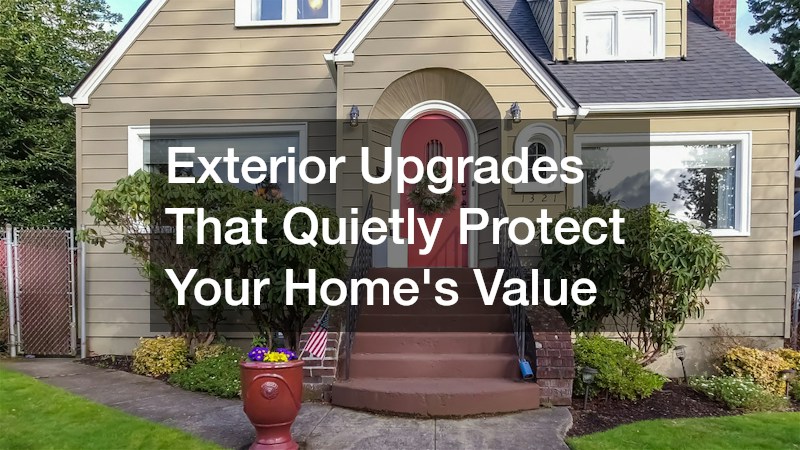
Exterior Upgrades That Quietly Protect Your Home’s Value
Your home’s value doesn’t just come from square footage or a remodeled kitchen. It also depends on the quieter systems working behind the scenes, like the roof over your head, the water flowing away from your foundation, and the pipes buried beneath your yard. Small neglect in these areas rarely shows up right away, but it compounds over years into costly repairs and lower resale value. This guide walks through the exterior upgrades and maintenance habits that protect your investment without demanding constant attention.
Roof Condition and Long-Term Structural Health

Your roof is arguably the single most important barrier between your home and the elements, yet most homeowners only think about it after a leak appears. By the time water stains show up on a ceiling, the damage often extends into the decking, insulation, and framing below, turning a routine repair into a much costlier project. A properly timed roof installation can add decades of protection and significantly boost curb appeal, which matters when it comes time to sell. Most asphalt shingle roofs last between 20 and 30 years, but that window shrinks considerably in regions with intense sun, heavy snow loads, or frequent hailstorms. Signs like curling shingles, granule buildup in gutters, or sagging rooflines are early warnings that replacement should be planned rather than delayed. Waiting too long often means dealing with an emergency repair at the worst possible time, usually mid-storm, at a premium price. Materials have improved dramatically in recent years, with options that resist wind, hail, and UV damage far better than shingles from even a decade ago. Architectural shingles, metal roofing, and impact-resistant composites now come with warranties stretching 40 to 50 years, and many insurers offer premium discounts for upgraded materials. Choosing the right option depends on climate, roof pitch, and how long you plan to stay in the home, but even a mid-range upgrade tends to pay for itself through lower maintenance costs and stronger resale value.
Waiting too long to address minor issues often turns a small fix into a full replacement. A curling shingle or a small area of granule loss might cost a few hundred dollars to repair today, but left unchecked through a few more seasons of freeze-thaw cycles and heavy rain, it can lead to decking damage, insulation problems, or interior water stains that run into the thousands. Buyers and appraisers alike view roof age as a key indicator of a home’s overall maintenance history. Most asphalt shingle roofs are expected to last 20 to 25 years, and a roof nearing or past that mark often triggers deeper scrutiny during a home inspection, sometimes leading to lower offers or requests for credits at closing. It’s also worth keeping records of any repairs, inspections, or replacements, since documentation reassures buyers that issues were caught early and handled properly. Small, visible details matter too: sagging rooflines, moss buildup, or rusted flashing can all signal neglect even if the underlying structure is sound. Addressing these signs proactively costs far less than the price of a full replacement or a stalled sale.
- Ask for manufacturer warranty details before choosing a roofing material — look for coverage length (20 years vs. lifetime), whether it includes labor, and if it’s transferable to a future buyer
- Consider ventilation upgrades at the same time as a full replacement, since poor attic airflow can quietly shorten shingle life and lead to moisture damage or mold
- Keep records of installation dates, contractor invoices, and warranty paperwork together for future resale conversations and insurance claims
- Compare architectural shingles, metal, and tile for your climate zone — metal handles snow and wind well, tile suits hot/dry regions, and shingles offer a budget-friendly middle ground
- Schedule a roof inspection every 1-2 years to catch small issues like curling shingles or flashing gaps before they become costly leaks
- Factor in local weather patterns, such as hail or hurricane risk, when weighing upfront cost against long-term durability
Small Leaks That Signal Bigger Problems Ahead

Even a well-installed roof needs periodic attention, and catching problems early is far cheaper than dealing with water damage later. A small roof repair today, costing a few hundred dollars, is nothing compared to the thousands it can take to replace rotted decking, waterlogged insulation, or damaged drywall once a slow leak has gone unnoticed for months. A localized roof repair can address flashing issues, cracked seals around vents, or missing shingles before moisture works its way into the attic or walls. Flashing around chimneys and skylights is especially prone to failure, since it expands and contracts with temperature swings and can pull away or crack over time. Vent boots made of rubber degrade faster than the shingles around them, often becoming brittle and cracked within ten to fifteen years even when the rest of the roof still looks fine. Homeowners often postpone this kind of work because the damage isn’t visible from the ground, which is exactly why occasional professional inspections matter. A telltale sign worth watching for is a musty smell in an upstairs closet or a faint water stain on a ceiling, both of which usually mean moisture has already been working its way in for some time. Scheduling an inspection once a year, or after any major storm, gives a roofer the chance to spot small issues while they’re still simple, inexpensive fixes rather than full-blown emergencies.
A small water stain on the ceiling or a soft spot near the gutters might seem minor, but these details tell a story when it comes time to file a claim or sell the house. Insurance companies scrutinize maintenance records closely when processing storm damage claims, looking for evidence of how quickly problems were addressed after they appeared. A home with a documented history of prompt repairs is generally viewed more favorably than one with a pattern of deferred maintenance, since insurers often argue that neglected issues contributed to the extent of the damage. Keeping receipts, photos, and contractor invoices for even minor repairs — a patched roof flashing, a resealed window, a cleared downspout — creates a paper trail that supports your case if a claim is ever disputed. This same documentation becomes a selling point during negotiations, reassuring buyers that the property has been cared for rather than patched together at the last minute before listing. In competitive markets, that kind of transparency can shave days off closing time and reduce the odds of a buyer requesting a price reduction after inspection.
Heating and Cooling Systems That Preserve Comfort and Efficiency
An aging HVAC system doesn’t just make your home less comfortable, it can also quietly drag down its resale appeal. Reputable AC companies can evaluate whether your current unit is still operating efficiently or whether it’s costing you more in energy bills than a replacement would save. Systems older than 12 to 15 years often struggle to keep up with extreme temperatures and tend to fail at the worst possible moments.
For homes with additions, converted garages, or rooms that never seem to reach a comfortable temperature, a mini split AC installer can offer a targeted solution without the expense of extending ductwork. These systems are increasingly popular because they’re energy efficient and easy to zone room by room. Buyers touring a home often notice uneven temperatures immediately, so addressing this proactively can prevent an awkward conversation during a future sale.
Siding Materials That Shield Your Home From Moisture
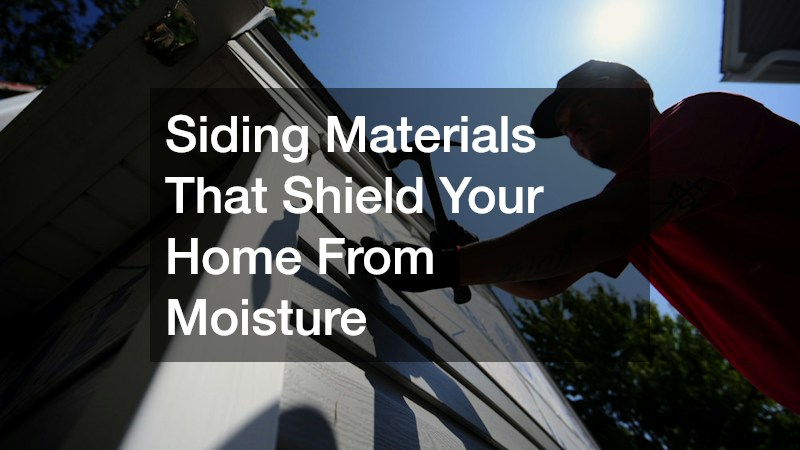
Siding does more than define your home’s exterior look, it acts as a critical moisture barrier that protects the structural framing underneath. Once water finds its way behind siding, it can rot sheathing, corrode fasteners, and feed mold growth long before any damage shows up on the surface. Over time, sun exposure, freeze-thaw cycles, and pest activity can cause siding to warp, crack, or pull away from the wall. Different materials handle these stresses in different ways. Fiber cement resists moisture and pests well but requires proper caulking at seams to stay watertight, while vinyl is affordable and low-maintenance yet can crack in extreme cold. Engineered wood offers a natural appearance with added rot resistance, though it still needs vigilant sealing at joints and edges. Working with experienced siding companies to assess your current material can reveal problems that aren’t obvious from a quick glance, such as trapped moisture, insulation gaps, or failing house wrap underneath. A professional inspection typically checks for soft spots, bubbling paint, and gaps around windows and doors where water tends to infiltrate first. Catching these issues early, often before they spread past a few square feet, can save homeowners thousands in repair costs and protect the home’s long-term resale value.
Replacing siding is also one of the few exterior upgrades that reliably returns a strong percentage of its cost at resale, according to national remodeling cost-versus-value reports, with recoupment rates for both fiber cement and vinyl siding projects often landing well above many interior renovations. Fiber cement, engineered wood, and vinyl each offer different maintenance requirements and price points, so it’s worth matching the material to your local climate and long-term plans for the home. Fiber cement resists rot, insects, and warping, making it a strong choice in humid or storm-prone regions, though it costs more upfront and requires periodic repainting. Vinyl is budget-friendly and virtually maintenance-free, but extreme heat or cold can cause it to warp or crack over time. Engineered wood offers a more authentic wood appearance at a lower cost than natural wood, though it needs consistent sealing to prevent moisture intrusion at seams and edges. Beyond the material itself, proper installation, flashing, and ventilation behind the siding matter just as much for long-term moisture protection, since even premium materials can fail early if water gets trapped underneath.
Gutter Systems That Redirect Water Away From the Foundation
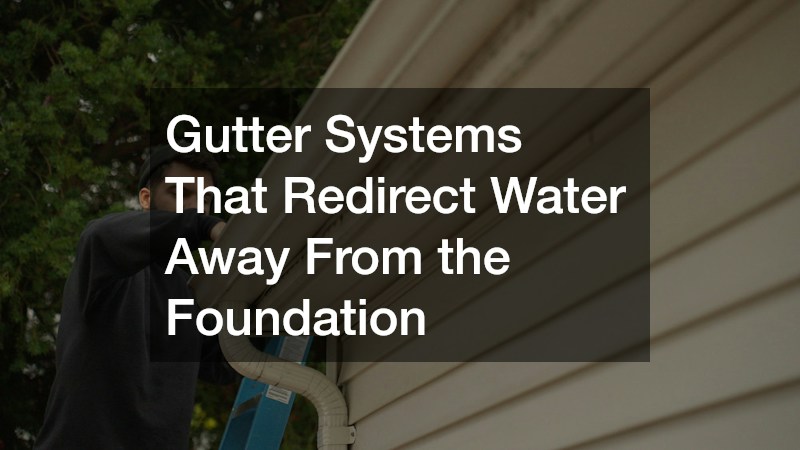
Rain gutters seem like a minor detail until you consider what happens without them. Water pooling near the foundation is one of the leading causes of basement cracks, mold growth, and soil erosion around a home’s perimeter. A properly sloped and sized gutter system channels water several feet away from the house, protecting both the foundation and any landscaping below.
Many homeowners are surprised to learn how often gutters need cleaning, especially if the property has overhanging trees. A gutter guard installation can dramatically cut down on this maintenance burden by preventing leaves and debris from clogging the channels in the first place. While not entirely maintenance free, guards reduce the frequency of cleanings and lower the risk of overflow during heavy storms.
- Inspect gutters at least twice a year, ideally spring and fall
- Check for sagging sections or pulling away from the fascia
- Confirm downspouts extend far enough from the foundation
- Look into guard styles rated for your regional debris and rainfall
Underground Plumbing Lines That Prevent Yard and Basement Damage
What happens beneath your yard matters just as much as what’s visible above ground. Tree roots, ground shifting, and age can all compromise underground pipes, leading to slow leaks that go unnoticed for months. A clogged drain line is often the first sign something is wrong, showing up as slow-draining sinks, gurgling toilets, or unpleasant odors near the yard.
When problems progress beyond a simple clog, sewer repair becomes necessary, and catching it early can mean the difference between a targeted fix and a full line replacement. Modern trenchless repair methods have made this process less disruptive to landscaping than it used to be. Homeowners who ignore early warning signs risk sewage backups that can damage flooring, drywall, and personal belongings, not to mention the cost of emergency service calls.
Stormwater Management That Protects Your Property and Neighborhood
How water moves across your property affects more than just your own yard. Improper grading or excessive impervious surfaces like driveways and patios can send runoff straight into storm drains, carrying fertilizer, oil residue, and debris with it. Many municipalities now have specific stormwater pollution prevention requirements for homeowners, particularly during renovation projects that disturb soil or add hardscaping.
Simple upgrades can make a meaningful difference without requiring a full landscape overhaul. Rain gardens, permeable pavers, and strategically placed swales all help slow down runoff and allow it to filter into the ground naturally. These changes not only keep you in good standing with local regulations but also reduce erosion and standing water issues that can otherwise become a maintenance headache.
- Check your local municipality’s runoff and drainage guidelines
- Consider permeable materials for new patios or walkways
- Direct downspouts toward planted areas rather than paved surfaces
- Avoid over-application of fertilizer before heavy rain events
Seasonal Exterior Inspections That Catch Problems Early
Many of the upgrades already mentioned only pay off if they’re paired with consistent seasonal checkups. Walking the perimeter of your home twice a year, in spring and fall, helps you catch small issues like cracked caulking, loose siding panels, or early signs of pest activity before they become expensive repairs. This habit takes less than an hour but can save thousands over the life of a home.
Keeping a simple written log of what you check and when also proves valuable if you ever need to demonstrate maintenance history to an appraiser, insurance adjuster, or potential buyer. Photos taken during each inspection add an extra layer of documentation. Over time, this record becomes a helpful tool for prioritizing which upgrades to tackle next.
Protecting your home’s value doesn’t require a dramatic renovation, it requires attention to the systems that quietly do their job every day. Start with an honest assessment of your roof, gutters, siding, and underground plumbing, then prioritize the upgrades that address the biggest risks first. A little proactive planning now will pay off both in day-to-day comfort and in a stronger resale position down the road.