
DIY vs. Hiring a Pro Knowing When to Call the Experts
In the era of endless online video tutorials, rapidly edited social media clips, and step-by-step digital articles, it is incredibly tempting to tackle every household project with your own two hands. There is a deep, undeniable satisfaction that comes from stepping back, looking at a beautifully finished room, and knowing you built it yourself from the ground up. Beyond the pride of craftsmanship, the potential financial savings are a massive draw for property owners looking to maximize their investments in a challenging economy. A trip to the local hardware store and a weekend of sweat equity seem like a small price to pay compared to the hefty labor fees frequently quoted by professional contractors. Knowing exactly where to draw the line between a manageable weekend warrior project and a job requiring seasoned experts is the absolute hallmark of a smart, responsible homeowner.
Evaluating Your Skill Level and the True Cost of Mistakes

Before you grab a sledgehammer and start tearing down drywall to create the open-concept living space you saw on television, you need to conduct a brutally honest audit of your own capabilities. The massive scope of home remodeling is often heavily underestimated by enthusiastic beginners who see only the finished aesthetic rather than the complex structural engineering hidden behind the walls. Removing what appears to be a simple, non-essential partition can instantly compromise a load-bearing wall, leading to a sagging ceiling, cracked foundations, or a fully compromised roof structure. The costs associated with fixing structural damage caused by an amateur mistake will vastly exceed the price of hiring an expert architect or general contractor in the first place, especially when you factor in municipal permits and rigid building codes.
Equally critical is understanding the exceptionally high stakes involved when working with water lines, drainage, and household sanitation systems. A tiny, imperceptible drip behind a newly installed shower wall can easily cultivate hidden mold, rot out wooden floor joists, and eventually lead to sudden flooding when the pipe completely bursts under pressure. Ultimately, paying for a professional plumbing service is vastly cheaper and far less stressful than replacing ruined hardwood floors, tearing out water-logged drywall, and paying for emergency water extraction at two in the morning. Water damage acts incredibly fast, and absolute precision is required to ensure every joint, valve, and seal is perfectly watertight before closing up the walls.
When assessing your readiness for a major interior project, always run through this practical, safety-first checklist:
-
Do you fully understand the local building codes associated with your project, and have you pulled the correct municipal permits to avoid heavy fines?
-
Do you already own the specialized tools required for the job, or will the cost of renting heavy equipment negate your anticipated labor savings?
-
If you make a critical error, do you have the emergency funds readily available to pay a professional to fix your mistake on extremely short notice?
Managing Demolition, Debris, and Unwanted Guests
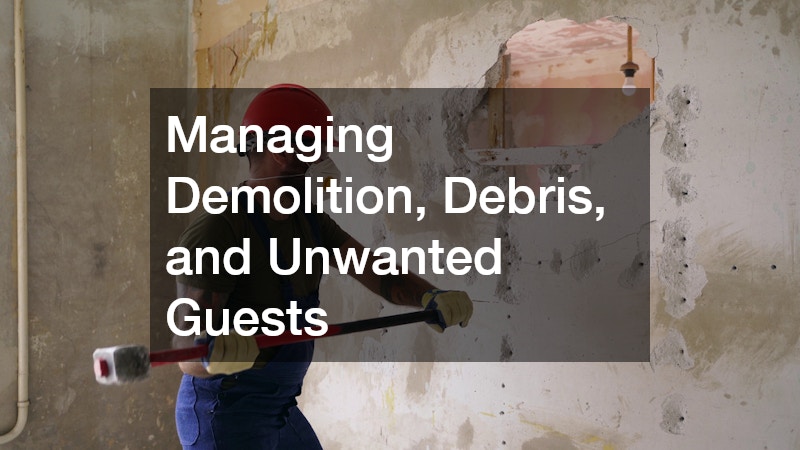
The initial tear-out phase of any property upgrade is often viewed as the fun, stress-free part of the job, but the physical logistics of demolition require careful, strategic planning. Tearing out old kitchen cabinets, ripping up layers of vintage flooring, and knocking down plaster generates an astonishing volume of heavy, sharp, and potentially hazardous waste. Piling this dangerous debris in the yard or driveway creates immediate physical hazards for your family and neighbors, while also risking severe citations from your local homeowners association or city code enforcement division. Securing a large-capacity dumpster rental provides a centralized, safe location to dispose of materials rapidly as you work, keeping your workspace organized and preventing your property from looking like an active landfill.
During this aggressive demolition phase, opening up dark, enclosed wall cavities frequently reveals hidden surprises that bring your entire project to a screeching halt. Finding a massive nest of carpenter ants, evidence of chewing rodents, or a flourishing colony of destructive termites inside your structural framing is a serious issue that cannot be solved with a cheap can of bug spray. Reaching out to a reliable local pest control company at the very first sign of an active infestation prevents further structural degradation and protects your family’s respiratory health from disease-carrying animal droppings. Ignoring these glaring signs and simply covering the affected areas back up with fresh drywall is a guaranteed way to watch your brand-new investment literally get eaten away from the inside out.
To keep your demolition phase safe, organized, and highly productive, adhere strictly to these professional guidelines:
-
Always wear appropriate, high-quality personal protective equipment, including a properly fitted respirator mask, heavy-duty leather gloves, and shatter-proof safety goggles.
-
Verify that you have completely shut off all electricity, gas, and water to the designated work area before cutting into any walls or pulling up subfloors.
-
Sort your construction debris carefully as you throw it away, keeping recyclable metals, clean wood, and hazardous materials like old chemical paints separated if required by your waste management provider.
Maintaining Core Systems for Health and Safety
Focusing on subterranean property management brings us to one of the most critical, highly regulated, and deeply hazardous systems on any residential lot. Homeowners routinely take their underground wastewater systems completely for granted until a catastrophic, highly unsanitary backup occurs, pouring raw sewage into the backyard or backing up through the indoor bathtubs. Because subterranean tanks contain severe bacterial biohazards and generate incredibly dangerous, highly flammable methane gases, routine septic tank cleanings involve highly specialized pumping equipment and strict adherence to environmental disposal regulations. This task is strictly off-limits for amateurs; attempting to open, inspect, or pump these pressurized underground systems yourself can result in severe physical illness, massive environmental contamination, or even fatal accidents due to the sudden release of noxious, oxygen-depleting fumes.
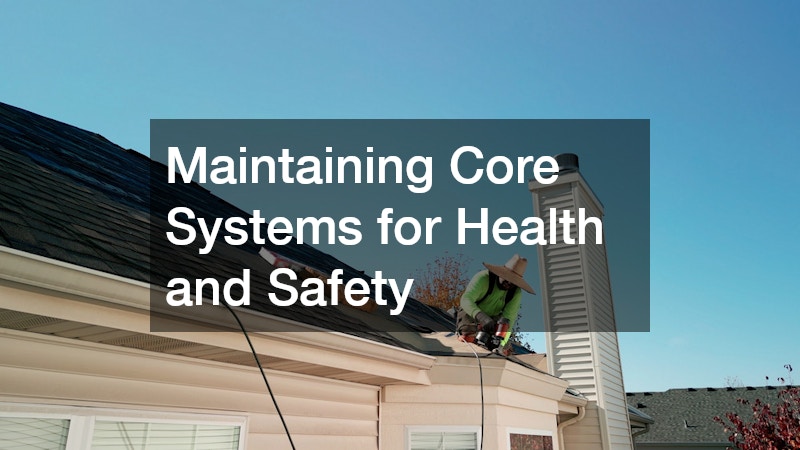
Shifting the focus upward from the contaminated ground below, the very top of your property presents an entirely different set of extreme, potentially life-threatening physical dangers. The volatile combination of dizzying heights, steep architectural pitches, and slick, weather-worn surfaces contributes to thousands of severe ladder falls and catastrophic bodily injuries every single year. Because a single misstep can easily be fatal or cause permanent paralysis, addressing missing shingles or replacing rotted flashing via professional roof repairs remains the exclusive domain of insured, heavily trained experts who utilize proper fall-arrest harnesses and secure scaffolding. Beyond the immediate physical danger of falling, an amateur fix up high often fails to properly seal out driving moisture, leading to slow, insidious leaks that silently destroy attic insulation and ceiling joists over the subsequent winter season.
When dealing with these high-stakes, uncompromising core systems, keep the following non-negotiable safety facts firmly in mind:
-
Wastewater contains dangerous, microscopic pathogens that require industrial-grade sanitization protocols and heavy chemical treatments to manage safely.
-
Most municipal environmental codes strictly prohibit unlicensed, uninsured individuals from transporting raw sewage or physically altering underground municipal waste systems.
-
Working at exterior heights above six feet requires specific, OSHA-approved fall protection gear and specialized footwear that most average homeowners do not possess.
Enhancing Curb Appeal Without Breaking Your Back
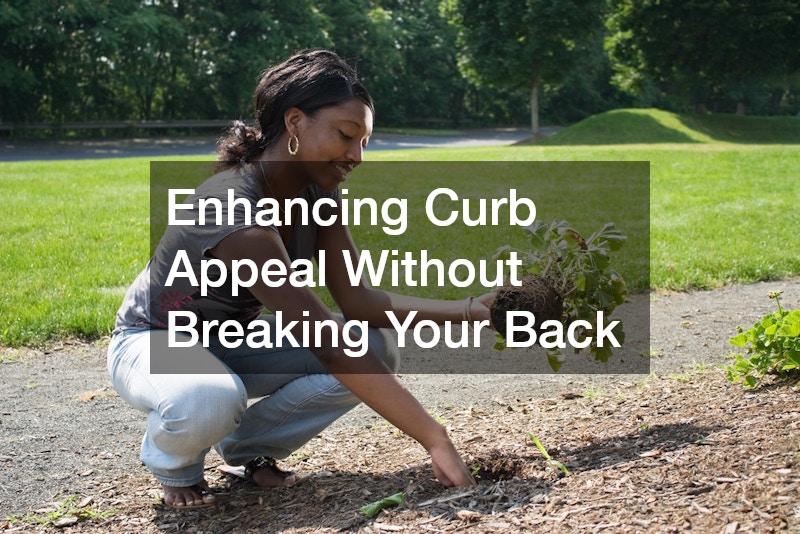
Breaking down the fundamental difference between planting a few seasonal flowers and overhauling an entire yard’s layout is essential for setting realistic, achievable landscaping goals. Picking up a small hand trowel to plant some colorful spring petunias or spreading a few bags of fresh cedar mulch is a highly rewarding, low-impact weekend task that carries very little physical or financial risk. However, comprehensive landscape design solves incredibly complex, underlying environmental issues like severe soil grading problems, rapid dirt erosion, and poor storm drainage that a gardening novice might completely overlook. An experienced exterior professional knows exactly how to pitch the heavy soil away from your concrete foundation so that heavy rains do not flood your basement, and they know precisely which deep-rooted plants will thrive in your specific climate zone without requiring endless, expensive chemical treatments.
Similarly, installing heavy hardscaping features like stacked stone retaining walls, poured concrete patios, and brand-new asphalt driveways requires specialized, heavy-duty machinery that is remarkably dangerous for an untrained homeowner to operate. Pouring and grading heavy exterior materials requires precise, rapid timing; if the mixture sets or cools before it is perfectly leveled, you are left with permanent, unsightly bumps and deep puddles that inevitably crack during harsh winter freezes. Relying on experienced paving companies guarantees a perfectly smooth, long-lasting surface that drastically enhances the property’s overall curb appeal while safely directing heavy runoff water into the municipal street drains rather than straight into your garage. They possess the massive industrial rollers, heated transportation trucks, and commercial-grade chemical sealants that simply cannot be replicated with a rented wheelbarrow and a plastic hand trowel.
To maximize your exterior investments safely and ensure long-term durability, carefully consider these critical outdoor points:
-
Calculate the sheer weight of your raw materials before committing to a massive DIY hardscape; a single pallet of retaining wall stones can weigh over two tons and destroy the rear suspension of a standard consumer pickup truck.
-
Always call your local utility marking service well before digging more than a few inches into the topsoil to absolutely avoid striking buried natural gas lines, fragile fiber optic cables, or pressurized water mains.
-
Factor in the actual cost of long-term exterior maintenance; a professionally graded and sealed driveway requires far less tedious patching over 10 years than a rushed, uneven amateur pour.
Putting the Finishing Touches on Exterior Access and Aesthetics
Addressing the heavy, automated mechanics of exterior entryways reveals another specific area where well-meaning homeowners routinely and severely underestimate extreme physical danger. A standard overhead residential door weighs hundreds of pounds and is meticulously counterbalanced by highly pressurized, tightly coiled mechanisms that store a massive amount of invisible kinetic energy. These heavy-duty, high-tension springs can suddenly snap with enough explosive mechanical force to cause fatal head injuries, sever limbs, or cause severe property damage if adjusted incorrectly by an untrained hand. Because of these extreme, unpredictable mechanical hazards, any initial installation, subtle balance adjustment, or snapped spring replacement must be handled exclusively by a qualified garage door service to ensure the absolute safety of anyone walking or driving into the enclosed space.
In stark contrast to the heavy, enclosed mechanics of entryways, updating the exterior paint color of your home might initially seem like a harmless, straightforward, and highly accessible task. While casually rolling a fresh, vibrant color onto a ground-floor interior bedroom wall is a perfect, low-stress job for an enthusiastic novice, scaling tall aluminum ladders to reach the wind-swept peaks of a two-story exterior is an entirely different, highly hazardous endeavor. Hiring experienced painting contractors is the smartest, safest choice for properly navigating complex metal scaffolding setups, meticulously weatherproofing delicate exterior siding, and achieving a flawless, streak-free finish that will actually withstand harsh seasonal weather. They possess the expensive commercial sprayers and specialized safety rigging necessary to coat uneven exterior surfaces like porous brick or rough stucco evenly, saving you weeks of exhausting, shoulder-burning manual brushwork while suspended precariously high in the air.
Before attempting any high-level exterior finishing work yourself, review these critical safety and quality factors:
-
Mechanical metal springs inevitably degrade and weaken over time based on daily usage cycles; while visual inspections are perfectly fine, physical adjustments require heavy-duty steel winding bars and specific mechanical training.
-
Exterior wooden surfaces almost always require extensive, messy power washing, tedious manual scraping, and heavy chemical treatment to remove old, peeling layers before a single drop of new color can be successfully applied.
-
Working near the top of a tall ladder while holding heavy, sloshing buckets and reaching outward constantly shifts your center of gravity, drastically increasing the mathematical likelihood of a catastrophic tip-over.
Ultimately, navigating the delicate balance between do-it-yourself ambition and strict professional necessity comes down to a realistic, highly objective assessment of personal risk versus long-term reward. While taking on a weekend project can certainly build personal character, teach new skills, and save a few dollars in the immediate short term, a smart, forward-thinking homeowner knows that saving money on manual labor is never worth risking personal bodily safety or the foundational integrity of the property itself. When the required work involves extreme, dizzying heights, heavy earth-moving machinery, high-voltage mechanics, or highly toxic materials, stepping aside and letting seasoned experts take the reins is the most responsible, financially sound decision you can make for your family and your investment.