
Planning a Whole-Home Upgrade the Right Way
A whole-home upgrade is exciting. It’s your chance to modernize, increase comfort, improve efficiency, and boost long-term property value. But without a clear strategy, it can quickly turn into a stressful, expensive experience filled with delays and regrets.
Many homeowners make the mistake of tackling projects one at a time based on urgency or aesthetics. The problem? Homes function as interconnected systems. Changing one component often affects several others. If you don’t plan in the right order, you may end up undoing finished work, overspending, or creating new problems.
This guide will walk you through how to approach a full-home upgrade methodically. You’ll learn how to evaluate your home, prioritize correctly, sequence projects intelligently, budget realistically, and protect your investment long after the renovation is complete.
Start With a Full Home Systems Assessment
Before committing to any contractor or signing any estimate, slow down and document everything. A whole-home upgrade is not just a collection of projects – it’s a coordinated transformation. Treat it like an audit. Walk through your property with a notebook, camera, and checklist. Photograph trouble areas. Write down the approximate ages of major systems. Pull previous invoices and warranty documents. The more clarity you gain at this stage, the fewer surprises you’ll face later.
A full assessment also helps you separate cosmetic dissatisfaction from structural necessity. Many homeowners jump straight to visible improvements while ignoring aging components that quietly compromise the home’s integrity.
Conduct a Top-Down Exterior Inspection
Start at the highest point and work downward. Your roof protects everything beneath it, so its condition influences nearly every other upgrade decision. If shingles are brittle, flashing is lifting, or granules are collecting in gutters, it may be time to plan for roof replacement. Even minor leaks can compromise insulation, drywall, and framing if ignored.
Look beyond obvious damage. Check attic spaces for:
- Light penetrating through the boards
- Mold growth or dark staining
- Inadequate ventilation
- Insulation gaps
Then evaluate your cladding. Cracked seams, warping, or soft spots in panels may signal moisture intrusion. Investing in professional siding improves not only aesthetics but also insulation performance and weather resistance. When siding fails, energy efficiency drops, and hidden structural damage can begin.
Document everything in a spreadsheet with columns for:
- Current condition
- Age
- Estimated lifespan remaining
- Upgrade urgency
- Rough cost range
This transforms vague concerns into measurable action steps.
Create a 10-Year Exterior Forecast
Once you understand current conditions, zoom out. Think long term. A 10-year forecast allows you to phase work strategically instead of reacting to emergencies.
Ask practical questions:
- If you delay a roof replacement by two years, what risks increase?
- Can siding upgrades coincide with window replacements?
- Would bundling exterior work reduce labor costs?
Forecasting also helps you align upgrades with financial planning. If you know a major exterior overhaul is coming, you can prepare funding through savings, financing, or home equity options.
Planning ahead reduces stress, improves negotiation power with contractors, and prevents rushed decisions.
Prioritize Structural Integrity Before Cosmetic Updates
Structural soundness is the foundation of every successful renovation. Installing new floors over moisture problems or painting walls that hide leaks only postpones inevitable repairs.
Water is the most destructive force affecting homes. It damages wood, weakens foundations, encourages mold growth, and undermines insulation performance. Addressing these risks first protects your entire investment.
Fix Water Management Issues First
Effective drainage begins at the roofline and extends outward from the foundation. If rainwater isn’t directed away properly, long-term damage becomes almost certain.
Schedule a professional gutter service if you notice sagging sections, rust, separation at joints, or overflow during moderate rainfall. Properly functioning gutters should channel water at least several feet away from your foundation.
Clogged plumbing systems can also create internal water risks. Preventative drain cleaning reduces the likelihood of backups that can flood basements or bathrooms during renovations. It’s far easier to address slow drainage before walls are opened or flooring is replaced.
In addition to cleaning and repair, consider:
- Extending downspouts
- Regrading soil around the foundation
- Installing splash blocks or underground drainage
- Inspecting sump pump operation
These small steps can prevent thousands of dollars in future structural damage.
Prevent Expensive Repairs by Addressing Moisture Early
Moisture often hides where you can’t see it. Conduct thorough inspections of:
- Basement corners
- Window frames
- Crawl spaces
- Under-sink cabinetry
Musty smells, bubbling paint, or warped trim are early warning signs.
If moisture intrusion exists, correct it before finishing walls or installing cabinetry. Ignoring it risks mold growth, compromised framing, and repeat demolition later. Think of this stage as insurance for every upgrade that follows.
Evaluate Heating and Cooling Efficiency Strategically
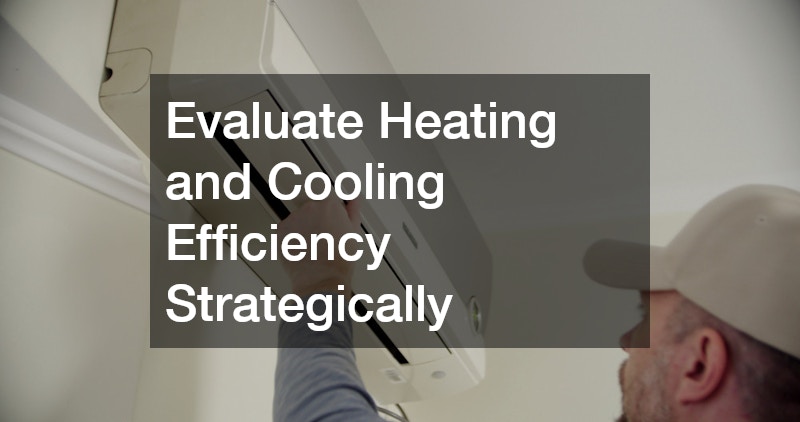
Comfort systems influence daily quality of life and monthly expenses. Replacing them impulsively can waste money, but delaying necessary upgrades can increase operating costs and reduce indoor comfort.
Take a data-driven approach. Review energy bills from the past 12 – 24 months. Look for seasonal spikes or steady increases that suggest inefficiency.
Determine Whether to Repair or Replace
Age is a key factor. If your heating system is over 15 – 20 years old and experiencing breakdowns, furnace replacement may be the more economical long-term choice. Frequent service calls often cost more cumulatively than installing modern equipment.
Similarly, air conditioner replacement becomes cost-effective when:
- Refrigerant is outdated
- Efficiency ratings lag behind modern standards
- Cooling performance declines
- Humidity control weakens
Compare repair costs against replacement quotes. If a repair exceeds 30 – 40% of replacement cost, upgrading may make more sense.
Plan HVAC Upgrades Around Insulation and Layout
Before installing new equipment, ensure the surrounding systems are optimized. A high-efficiency unit cannot perform well in a poorly insulated home.
Inspect:
- Attic insulation depth
- Duct sealing quality
- Air leaks around doors and windows
- Return air balance
Improving insulation may reduce the required equipment size, lowering upfront costs and energy consumption.
Consider smart thermostats, zoning systems, and programmable schedules to maximize efficiency gains. Planning strategically ensures your investment delivers measurable comfort improvements.
Upgrade Electrical Infrastructure Before Adding New Features
Electrical systems are often overlooked until they fail. Yet modern living demands more power than homes built decades ago were designed to handle.
Before expanding living space or adding high-demand amenities, consult a licensed electrician for a comprehensive evaluation.
Schedule a Load Capacity Evaluation
An electrician can test panel capacity, inspect wiring conditions, and verify that circuits meet code requirements. If you plan to install heavy-load features such as workshops, charging stations, or outdoor amenities, capacity upgrades may be necessary.
Common warning signs include:
- Frequently tripped breakers
- Flickering lights
- Warm outlets
- Outdated fuse panels
Addressing electrical limitations early prevents dangerous overloads and avoids tearing open finished walls later.
Improve Safety and Future-Proof the Home
Beyond capacity, modern safety features add peace of mind. Upgrading to GFCI and AFCI protection reduces fire and shock risks. Whole-home surge protection safeguards electronics from voltage spikes.
Future-proofing considerations include:
- Structured wiring for smart devices
- Extra outlets in high-use areas
- Dedicated appliance circuits
- Exterior wiring allowances
Completing electrical upgrades early in the renovation timeline ensures smoother progress in later stages.
Modernize Entry Points for Security and Efficiency
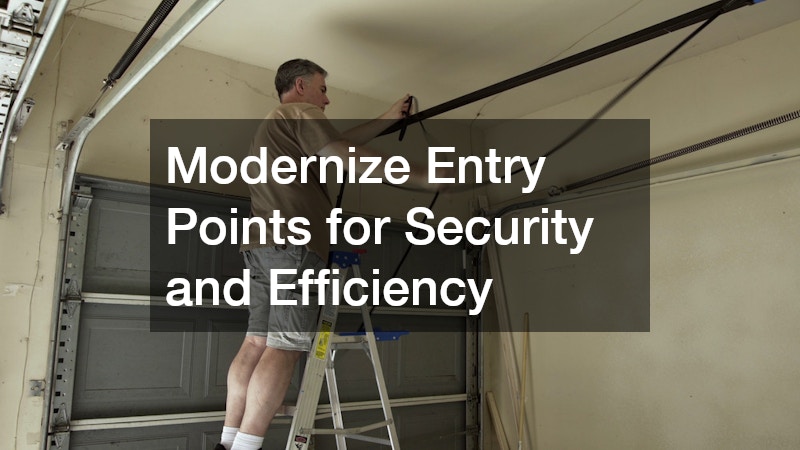
Entry systems play a major role in energy efficiency, security, and curb appeal. A poorly insulated or outdated garage door can create significant heat loss and safety concerns.
Evaluate Performance and Insulation
If your existing system is noisy, uneven, or lacks insulation, garage door replacement can dramatically improve performance.
Modern doors offer:
- Higher R-value insulation
- Reinforced panels
- Smart connectivity
- Enhanced locking systems
Insulated models help regulate interior temperatures, particularly if the living space is adjacent to the garage.
Coordinate With Other Exterior Improvements
Upgrading entry points should align visually with other exterior changes. Consider color coordination, trim design, lighting placement, and hardware finishes.
Bundling upgrades can:
- Reduce contractor mobilization fees
- Improve design consistency
- Increase resale appeal
Small visual details often make a big impact on perceived value.
Plan Outdoor Living Spaces With Long-Term Use in Mind
Outdoor upgrades extend usable living space and enhance lifestyle – but only if thoughtfully designed.
Define Purpose Before Construction
Before beginning fence installation, clarify the goal. Are you prioritizing privacy, safety for pets, noise reduction, or aesthetic enhancement?
Research local zoning rules and confirm property boundaries to prevent disputes. Evaluate material options based on:
- Durability
- Maintenance needs
- Climate resistance
- Long-term cost
Choosing the right materials now prevents premature replacement later.
Build Smart for Pools and Hardscapes
If adding water features, thoroughly vet pool contractors. Request references, review project portfolios, and confirm insurance coverage.
Plan comprehensively:
- Drainage solutions
- Electrical routing
- Safety barriers
- Ongoing maintenance requirements
Pools and hardscapes are major investments. Taking time to evaluate long-term operational costs ensures the upgrade remains enjoyable rather than burdensome.
Sequence Projects for Maximum Efficiency
Renovation sequencing determines cost efficiency and timeline success. Poor sequencing often results in duplicated labor and wasted materials.
Create a master schedule that outlines every phase from demolition to final inspection.
Smart Order of Operations
The most efficient progression typically follows:
- Structural corrections
- Water management fixes
- Mechanical and electrical upgrades
- Insulation improvements
- Interior finishes
- Exterior landscaping
This order prevents reopening finished surfaces for hidden system upgrades.
Avoid Redoing Work
Maintain weekly check-ins with contractors. Confirm inspection approvals before advancing phases. Document all change orders to avoid misunderstandings.
Coordination reduces downtime, prevents scope creep, and keeps your budget aligned with expectations.
Create a Realistic Whole-Home Budget Plan
Budget overruns are common in large renovations, but careful planning minimizes risk.
Break expenses into categories and research average costs in your region. Always request multiple bids to compare market rates.
Break Costs Into Categories
Segmenting your budget allows better control. Allocate funds for:
- Structural and envelope repairs
- Mechanical upgrades
- Exterior enhancements
- Interior finishes
- Outdoor projects
This visibility helps prevent overspending in one area at the expense of another.
Build in a Contingency Fund
Unexpected discoveries are almost guaranteed. Hidden water damage, outdated wiring, or structural deficiencies can surface once demolition begins.
Set aside at least 10 – 20% of your total budget for contingencies. Treat this as a required allocation, not an optional cushion.
A prepared homeowner handles surprises calmly and keeps the project moving.
Vet Contractors Like a Project Manager

Hiring the right professionals can make or break your renovation experience.
Take time to interview multiple candidates and compare qualifications carefully.
Questions to Ask Before Signing
Ask direct, detailed questions about:
- Licensing
- Insurance
- Experience with similar projects
- Timeline expectations
- Payment schedules
Insist on written documentation and clear communication protocols.
Compare Bids Carefully
Analyze each bid line by line. Confirm that materials, labor scope, and cleanup are clearly defined.
Beware of vague descriptions or unusually low pricing. Transparency and detail usually indicate professionalism.
Thorough vetting reduces stress and increases confidence throughout construction.
Set a Timeline That Minimizes Disruption
Renovations affect daily life. A realistic timeline helps you manage expectations and maintain routine.
Reduce Household Stress
Plan temporary living adjustments in advance. Protect belongings, set boundaries for work zones, and communicate clearly with contractors about working hours.
If possible, schedule high-disruption phases during favorable weather or travel periods.
Decide Between Phased or Full Renovation
Weigh financial flexibility against convenience. A full renovation may shorten total disruption time, while phased work spreads costs over months or years.
Choose the approach that aligns with your budget, lifestyle, and stress tolerance.
Protect Your Investment With Maintenance Planning
Completion is not the end – it’s the beginning of responsible ownership.
Create a Maintenance Calendar
Set reminders for inspections, filter replacements, seasonal cleaning, and system servicing. Preventive maintenance extends lifespan and preserves warranties.
Track System Performance
Keep organized records of installation dates, service visits, and warranty documents. This documentation simplifies resale and future planning.
A well-maintained home continues delivering comfort, efficiency, and value long after the renovation dust settles.
A whole-home upgrade is one of the most significant investments you can make in your property. Done correctly, it increases comfort, efficiency, safety, and long-term value. Done impulsively, it can create financial stress and unnecessary complications.
The key is to think holistically. Evaluate your home as a connected system, prioritize structural integrity, sequence projects intelligently, budget with realism, and hire carefully vetted professionals.
When you plan with intention rather than emotion, your renovation becomes a strategic investment instead of a reactive expense. Take the time to assess, prioritize, and schedule thoughtfully – and you’ll create a home that performs beautifully for years to come.