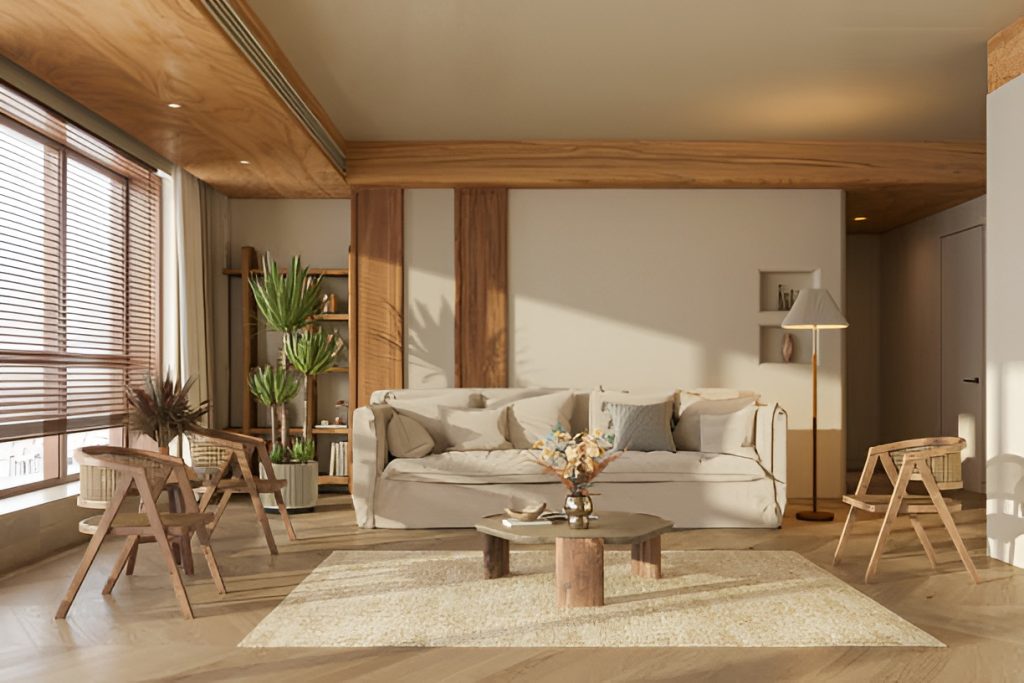
Japandi Design Essentials: How to Blend Japanese Minimalism with Scandinavian Warmth
- Japandi design blends simplicity and warmth: It combines Japanese minimalism’s clean lines and clutter-free spaces with Scandinavian comfort, creating serene yet inviting homes.
- Natural materials are essential: Wood, stone, linen, cotton, and wool add texture, warmth, and organic beauty to Japandi interiors.
- Neutral color palettes promote calm: Soft whites, beiges, muted greys, and natural accent tones create a cohesive, soothing environment.
- Functionality meets style in furniture: Low-profile, clean-lined furniture with purposeful storage maintains order without sacrificing aesthetics.
- Small spaces can feel spacious: Use vertical storage, multi-functional furniture, mirrors, and light colors to maximize space while keeping it cozy.
- Balance minimalism with warmth: Layer textures, use soft textiles, and incorporate warm lighting to prevent spaces from feeling cold or sterile.
Japandi design is one of the fastest-growing interior design trends, and for good reason. It seamlessly merges the elegance and simplicity of Japanese minimalism with the warmth and comfort of Scandinavian design. The result is a living space that feels calm, stylish, and inviting without feeling sterile. If you’ve ever wondered how to bring balance, serenity, and functional beauty into your home, Japandi design might just be the perfect solution.
In this article, we’ll explore Japandi design essentials, provide practical tips for incorporating it into your home, and answer some of the most common questions about this unique style.
What Exactly Is Japandi Design?
Japandi design is a hybrid style that draws inspiration from two distinct aesthetics: Japanese minimalism and Scandinavian hygge.
- Japanese Minimalism: Focuses on simplicity, clean lines, natural materials, and clutter-free spaces. Every object has a purpose, and empty space is celebrated as much as the objects within it.
- Scandinavian Warmth: Emphasizes comfort, coziness, functionality, and light. Think soft textiles, natural light, and muted, earthy tones.
Combining these two approaches creates a style that is both serene and inviting. It’s minimal yet warm, functional yet beautiful—a perfect balance for modern living.
Why Is Japandi Design So Popular?
People are drawn to Japandi design because it promotes a sense of calm and order in the home. In a world that feels increasingly chaotic, creating a sanctuary that is both functional and aesthetically pleasing is more appealing than ever.
Some reasons for its popularity include:
- Timeless Appeal: The minimalist and natural elements ensure the design doesn’t feel dated quickly.
- Stress Reduction: Clutter-free spaces with natural materials contribute to a more peaceful environment.
- Functional Beauty: Japandi design prioritizes both aesthetics and practicality.
- Versatility: It works in apartments, houses, small spaces, and large open-plan homes alike.
How to Start with Japandi Design
If you’re new to Japandi design, start by focusing on the essentials. The beauty of this style is that it doesn’t require a complete home renovation to achieve the effect.
1. Embrace Minimalism
Less is more in Japandi design. Start by decluttering your space and removing anything that doesn’t serve a purpose.
- Keep only items that are functional or bring joy.
- Avoid over-accessorizing; choose a few statement pieces instead.
- Maintain clean surfaces and clear pathways.
2. Choose Natural Materials
One of the defining characteristics of Japandi design is its focus on natural materials.
- Wood: Light-toned woods like oak, ash, or pine are common, echoing Scandinavian design, while darker woods such as walnut or teak reference Japanese interiors.
- Stone: Marble countertops or stone accent pieces add subtle elegance.
- Textiles: Linen, cotton, and wool contribute to warmth and texture.
Using natural materials adds depth and warmth while keeping the aesthetic grounded and organic.
3. Stick to Neutral Color Palettes
Japandi design favors muted, natural colors that promote tranquility.
- Base colors: soft whites, warm beiges, and muted greys
- Accent colors: muted greens, deep blues, or natural browns
- Avoid overly bright or neon tones, which disrupt the calm atmosphere
The goal is to create a cohesive, soothing environment that feels effortless and intentional.
How to Balance Minimalism with Warmth
Minimalism can sometimes feel cold or sterile if it’s not balanced with warmth. Japandi design solves this by blending the softness of Scandinavian interiors with the simplicity of Japanese aesthetics.
Here’s how to strike the perfect balance:
- Layer Textures: Mix smooth surfaces with soft fabrics, like a linen sofa with a wool throw.
- Add Cozy Elements: Use rugs, cushions, and curtains to make the space feel inviting.
- Warm Lighting: Incorporate warm, soft lighting with pendant lamps or floor lamps rather than harsh overhead lights.
Furniture Choices in Japandi Design
Furniture plays a key role in creating a Japandi-inspired home. The goal is to combine form and function, ensuring every piece is purposeful yet beautiful.
- Low-profile furniture: Japanese interiors often favor low sofas, platform beds, and minimalistic tables.
- Clean lines: Choose furniture with simple, straight lines rather than ornate details.
- Quality over quantity: Invest in fewer, high-quality pieces rather than filling the room with many items.
- Functional storage: Scandinavian design often incorporates smart storage solutions that maintain order without sacrificing style.
How to Decorate Without Cluttering
Japandi design thrives on simplicity, so decorations should be deliberate.
- Artwork: Choose minimalist prints, abstract art, or nature-inspired pieces.
- Plants: Incorporate greenery like bonsai trees, bamboo, or simple potted plants to bring life into the space.
- Ceramics and pottery: Japanese ceramics add a subtle, handcrafted touch that complements natural textures.
- Avoid excess: Each decorative piece should have a purpose or meaning.
Lighting in Japandi Design
Lighting is essential to creating a warm and calming environment.
- Maximize natural light whenever possible using sheer curtains or blinds.
- Incorporate layered lighting: ambient (general), task (reading/work), and accent (highlighting features).
- Opt for warm, soft bulbs rather than bright, cold white lighting.
- Consider paper lanterns, wooden floor lamps, or pendant lights for a Japanese-inspired touch.
Flooring and Textures
The flooring you choose can significantly impact the feel of your home.
- Wood floors: Light or medium-toned hardwood complements both Japanese and Scandinavian aesthetics.
- Area rugs: Neutral rugs with subtle patterns can add warmth and softness.
- Tatami mats: For an authentic Japanese touch, incorporate tatami or woven mats in select areas.
Texture is equally important—think soft throws, linen pillows, wool rugs, and smooth wooden surfaces. Mixing textures keeps minimal spaces from feeling too flat.
Walls and Windows: Keep It Simple
When it comes to walls and windows, Japandi design emphasizes simplicity and natural beauty.
- Walls: Stick to neutral tones and avoid heavy wallpaper or bold patterns. A single accent wall in muted green or grey can work well.
- Windows: Keep treatments simple with sheer curtains or natural wood blinds to allow light in while maintaining privacy.
- Minimal wall decor: Instead of filling walls with art, choose one or two statement pieces.
How to Incorporate Japandi Design in Different Rooms
Living Room
- Use a low-profile sofa, wooden coffee table, and soft area rug.
- Keep accessories minimal—maybe a single plant or vase.
- Use soft, layered lighting for a cozy feel.
Bedroom
- Opt for a low platform bed with natural bedding materials.
- Include simple bedside tables with functional storage.
- Keep surfaces clutter-free to promote relaxation.
Kitchen
- Use natural wood cabinets or open shelving.
- Choose simple, functional cookware and dishware.
- Minimal decor, like a single plant or ceramic jar, can add warmth without clutter.
Bathroom
- Keep fixtures sleek and simple.
- Use natural materials like stone countertops or wooden accents.
- Add soft textiles, like linen towels, to introduce warmth.
Office or Workspace
- Minimal desk and ergonomic chair with clean lines.
- Use natural light whenever possible.
- Keep the space free of unnecessary items to enhance focus.
Japandi Design Hacks for Small Spaces
Small spaces don’t have to feel cramped or cluttered—Japandi design can actually make them feel airy, cozy, and stylish if you use the right tricks. Here are some practical hacks to get the most out of limited square footage:
- Go vertical: Use tall shelving or wall-mounted storage to keep the floor area open. Open shelves with simple decor can display items without making the room feel crowded.
- Multi-functional furniture: Look for pieces that do double duty, like a storage ottoman, fold-out desk, or a bed with built-in drawers.
- Light colors for walls and floors: Neutral tones reflect light and make small spaces feel larger. Stick to soft whites, beiges, or muted greys.
- Minimalist furniture: Keep furniture low-profile and streamlined. Bulky pieces can overwhelm a small room, so choose clean lines and simple shapes.
- Mirrors and reflective surfaces: Mirrors can double the sense of space by bouncing light around the room. A large wall mirror or mirrored cabinet doors work great.
- Layered lighting: Use a combination of floor lamps, table lamps, and pendant lights to brighten every corner without relying on harsh overhead lighting.
- Declutter intentionally: Small spaces magnify clutter. Stick to only essential items and keep surfaces clean to maintain that calm Japandi vibe.
- Add warmth with texture: Even in a small room, you can create coziness with a soft rug, throw blanket, or linen cushions. These subtle touches make a minimalist space feel lived-in and welcoming.
With these hacks, even the tiniest apartments or rooms can feel like a serene Japandi-inspired sanctuary. The key is to keep things functional, uncluttered, and visually light while adding just enough warmth to make the space feel inviting.
Common Mistakes to Avoid in Japandi Design
Even with a minimalist approach, it’s easy to go wrong. Here’s what to watch out for:
- Over-cluttering: Adding too many decorative items defeats the purpose of minimalism.
- Cold, sterile spaces: Forgetting warmth can make a Japandi space feel uninviting.
- Ignoring function: Every piece should serve a purpose, whether practical or aesthetic.
- Poor lighting: Harsh, bright lighting can undermine the calming atmosphere.
How to Blend Japanese and Scandinavian Elements Seamlessly
To truly master Japandi design, you need to balance Japanese minimalism with Scandinavian coziness.
- Japanese influence: Low furniture, clean lines, neutral tones, and natural materials.
- Scandinavian influence: Soft textiles, warm lighting, functional storage, and hygge-inspired touches.
- Bringing them together: Mix warm wood tones with sleek surfaces, layer soft textiles, and keep spaces airy but comfortable.
How to Maintain a Japandi Home
Maintaining a Japandi-inspired space is easier than other styles because of its simplicity, but it requires consistency:
- Declutter regularly: Keep only items that you use or love.
- Care for natural materials: Polish wood furniture, hand-wash delicate textiles, and maintain plants.
- Rotate decor seasonally: Swap simple elements like cushions, throws, or vases to keep the space fresh.
- Keep cleaning minimal: The fewer items you have, the easier cleaning and upkeep become.
Is Japandi Design Right for You?
Japandi design works for those who value simplicity, quality, and calm living. It’s perfect if you want a home that feels both stylish and livable.
Ask yourself:
- Do I prefer clean, uncluttered spaces?
- Am I drawn to natural materials and muted color palettes?
- Do I value both comfort and function in my home?
If you answered yes, Japandi design might be the perfect style for your home.
Final Thoughts
Japandi design is more than just a trend—it’s a lifestyle choice that emphasizes simplicity, functionality, and warmth. By combining the best of Japanese minimalism with Scandinavian comfort, you can create a home that is stylish, peaceful, and inviting.
Focus on decluttering, choosing natural materials, incorporating cozy elements, and using layered lighting. Remember, Japandi design is about balance: clean lines meet soft textures, minimalism meets warmth, and simplicity meets beauty.
Whether you’re redesigning your entire home or just a single room, the principles of Japandi design can help you create a sanctuary that feels calm, intentional, and timeless.